Artbooth Gallery Founder Roger El Khoury speaks on his tryst with art
- Last updated: June 15, 2026 | 09:45


Muhammad Yusuf, Features Writer
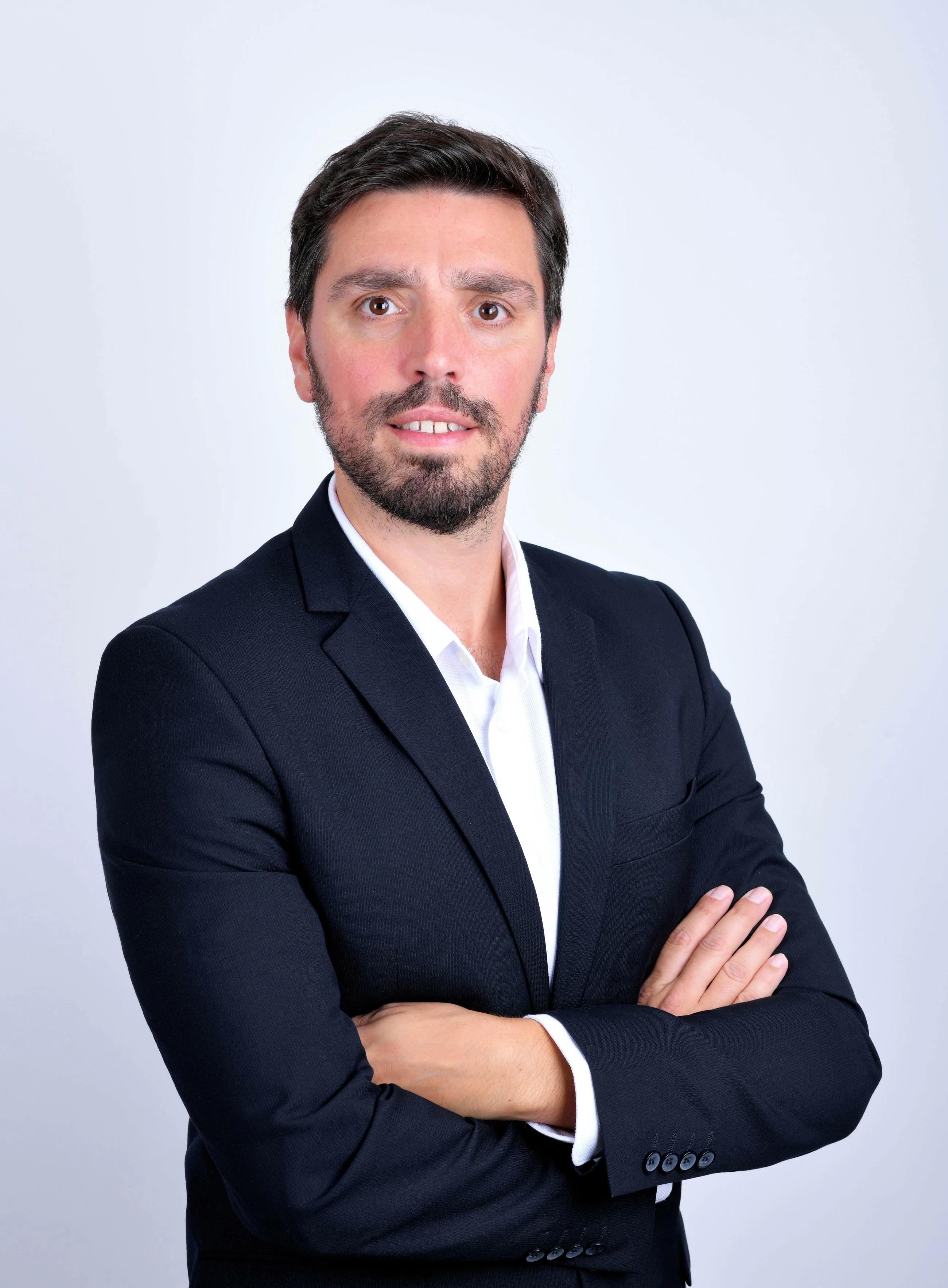
Lebanese national Roger El Khoury is the Founder of Abu Dhabi located Artbooth Gallery. With a background in Art History from the Saint Joseph University of Beirut and a diploma in Art Management and Evaluation from ESA Business School, he has over a decade of experience in the art industry.
He specialises in modern and contemporary art and takes deep interest in discovering emerging artists. Roger’s journey in the art world began when he started working with Ayyam Art Gallery in Beirut. His tryst with art in the UAE began in 2009 when he started visiting Dubai regularly for work-related purposes.
He appreciates the cosmopolitan nature of the UAE, its economic stability, and the strong support it offers to the arts. But even before establishing Artbooth Gallery’s physical space, he operated a mobile gallery that served as a platform for advising and assisting art collectors with investment-grade art, between Beirut and the UAE. Additionally, he worked at The Young Collectors Auction from 2013 to 2016, participating in over 50 auctions that showcased young and emerging artists.
Roger finds great joy in discovering talented emerging artists and helping them grow their careers. He has a particular interest in investment-grade art, recognising the potential for art pieces to increase in value over time. He speaks to Gulf Today
Why did you establish Artbooth Gallery?
My passion for art was the driving force behind establishing Artbooth Gallery. After spending more than ten years working in the art world, including galleries and auction houses, I gained valuable experience and insight into the industry. The gallery was founded with the vision of supporting artists, fostering meaningful connections with collectors, and contributing to the region’s cultural landscape.
Why did you set it up in Abu Dhabi and not Dubai, which is said to have a more vibrant art scene?
After assessing both the Abu Dhabi and Dubai art markets, I recognised a significant opportunity in Abu Dhabi due to the relatively limited number of galleries there, compared to Dubai. At the same time, Abu Dhabi emirate has strong purchasing power, a growing collector base, and substantial investment in culture and the arts. The development of major cultural institutions such as the Louvre Abu Dhabi and the upcoming Guggenheim Abu Dhabi, reflects the city’s long term commitment to becoming a global cultural destination. In addition, the government actively supports the arts ecosystem. From a business perspective, Abu Dhabi also offered a less saturated and less competitive market, providing greater opportunities for growth, visibility, and meaningful engagement with collectors and the wider community.
How has your background in art studies helped you as an arts and culture entrepreneur?
Besides providing a strong foundation in art history and artistic movements, my studies helped me develop the knowledge needed to evaluate artistic quality, understand an artist’s practice, and to identify real art with high potential from commercial ones. Equally important were the connections I built during my studies. Many of my classmates now work across the art ecosystem, including auction houses, galleries, art foundations, and independent art businesses. This network has been invaluable in fostering collaborations, exchanging knowledge, and creating opportunities for artists and collectors. My academic background also provided insight into the role of a gallerist.
How has been the auction experience for you?
While galleries primarily focus on supporting artists, developing their careers, and placing works with collectors, auction houses play a crucial role in the secondary market. I found the auction environment particularly exciting because of its dynamic nature. Every sale brings an element of surprise, whether through unexpected results, record breaking prices, or the discovery of exceptional works from different periods and regions. Auction houses help establish benchmarks for an artist’s market value and providing collectors with insights into demand and pricing trends.
Why did you set base in Seoul?
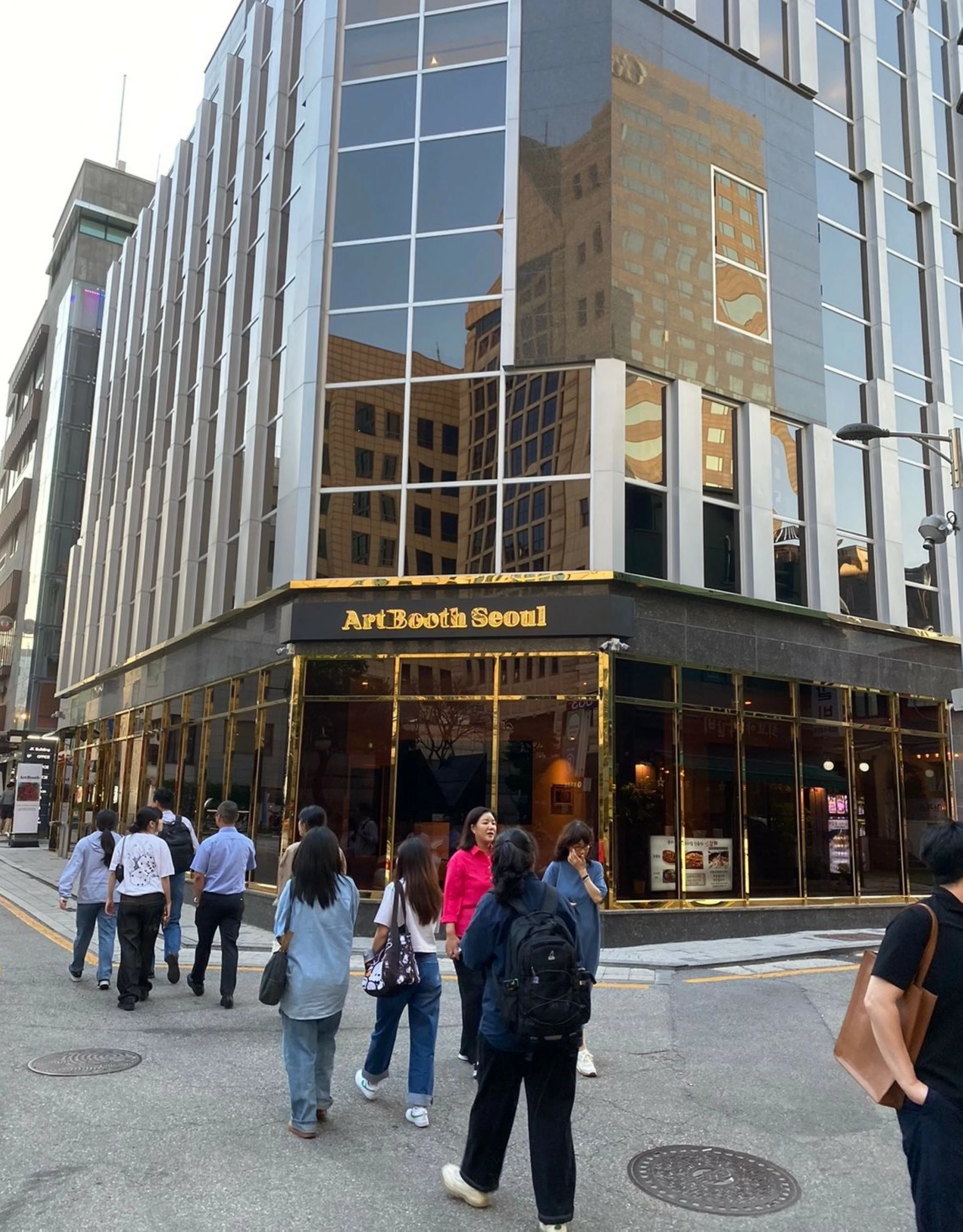
The idea came after I met a Korean collector who had a strong interest in learning more about Middle Eastern art. He wanted to establish the first gallery in Korea that promotes Arab art. From there, we began discussions and worked through the concept together, which eventually led to opening the space about two years ago.
What attracts you to modern and contemporary art?
My attraction to modern and contemporary art comes from my professional experience in focusing on Arab and Iranian art. What interests me most is the strong connection between the two; I often see contemporary artists deeply influenced by modern art movements and schools. This ongoing dialogue between past and present is what makes the field especially compelling to me.
How do you see Artbooth Gallery in year 2050?
2050 is still a long way off, but if Artbooth Gallery continues to grow and adapt, I believe the gallery model worldwide will be very different from what it is today. The art world is already moving rapidly toward digital platforms, and, by 2050, I expect galleries to have a much stronger digital presence, with more online exhibitions, virtual experiences, and technology-driven engagement. Physical spaces will likely remain important, but with a more selective and minimal role, while human interactions may become less frequent as digital tools and artificial intelligence play a larger part in how art is discovered, collected, and experienced. The key will be staying relevant while preserving the personal relationships and trust that have always been at the heart of the art market.