Myles Smith on turning therapy into a debut album
- Last updated: May 30, 2026 | 09:50


British singer-songwriter Myles Smith’s 2024 breakout single "Stargazing” was an instant viral hit that propelled him to sold-out concert venues in London, Toronto, and West Hollywood. Other hit singles have included "Nice to Meet You" and "Solo."
Now, ahead of the June 19 release of his debut album, "My Mess, My Heart, My Life," the 27-year-old opens up to Reuters about how therapy fuelled his creativity, the gap between musical expression and a sustainable career, and what it means to grow in public without hardening.
This conversation has been edited for length and clarity.
Your early success came through big, open-hearted songs that connected quickly with people online. With your debut album, what feels different?
With this album, it was about scratching deeper beneath the surface. It was really fun to put out the music and ride the wave of just putting out something. But there comes a point where you have to stop and ask yourself, "What do I want to say?” And I think that this album really is the start of that journey.
Because it was never about how many views or likes or shares (my music got); it was always just about expressing myself and putting parts of me out into the world. And I think that this album was just me stopping and taking stock and really delving into who I am as a person and all the things that made me me (and) encapsulating that in one body of work.

You've spoken about revisiting five years' worth of therapy notes while writing this album. What made you feel ready to turn that kind of private work into something public?
I don’t think it was ever really a question of if I was ready. I’m still not ready. But I guess this is exposure therapy - throwing it out there and figuring it out afterwards.
A lot of what I went through in therapy helped me understand myself. It’s only through talking to friends and family who’ve gone through their own hardships and haven’t been to therapy that you realise the beauty in it, and the benefit of it.
There’s no better way to tell my story than through me learning about myself and going back over those notes. It was a cathartic experience, and a useful one.
Several songs are about family, upbringing and what you describe as inheritance - not just what you're given, but what you're asked to carry. How did those ideas shape the album as a whole?
When I came up with the album title, "My Mess, My Heart, My Life,” it was about what experiences, relationships and people have made me the person I am.
Naturally, those relationships and the things I’d been through became the heart and soul of the album. There was no other way to write it than by looking inward and looking backward. That’s how it came together.
In one of the songs, you link violence and volatility at home to indecision later in life. How conscious were you of tracing that line between upbringing and adulthood?
I wasn’t conscious of it until therapy. There were many times where I’d say I liked being alone, and my therapist would ask, "Why?” (and) then "Why?” again, until you get to the root cause.
A lot of the songs were therapy in themselves. When you’re figuring out where a song goes, you have to look inward and answer those questions.
Not every song is emotional labour - some are fun. But the ones that really matter to me came from that process.
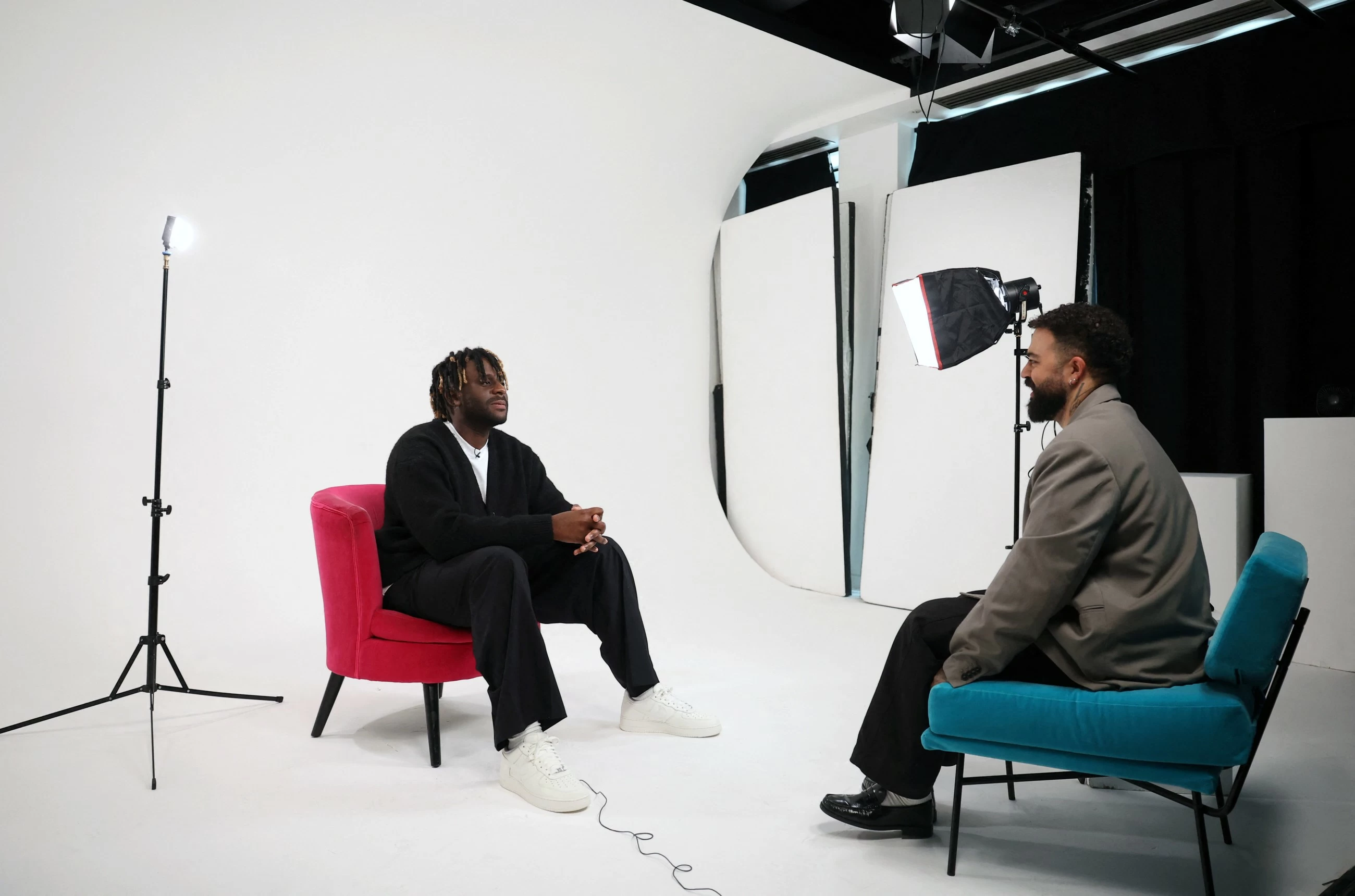
What’s the biggest misconception people have about what commercial success translates to day-to-day for an artist like you?
People think commercial success equals fulfillment. It really doesn’t.
You can have hits, be number one on (the) radio, play to millions of people - but the only things that make me happy are making music I’m proud of, connecting with people and playing live.
No amount of success dictates that. It’s about keeping those things true.
Tracks like "Grandma’s Place” suggest the idea of sanctuary, but also its limits. Why was it important to anchor that memory in texture rather than explanation, and how has your understanding of safety evolved over time?
I was always familiar with the feeling of safety, even if I didn’t fully understand what created it. As an adult, you’re given the language to understand it. Now I can recognise what made me feel safe, rather than just feeling it.
Putting that into the songs helped complete that thought process, and that song was an anomaly in my songwriting - it was about being in the moment. (My grandmother’s house) was a place I could go to break out of the arguing and fighting at home. It did feel safe, but it also wasn’t everything safety is meant to be. For me, it was enough. It taught me that safety doesn’t have to be complete or perfect - sometimes it’s just enough to get you through.
You've said that this album isn't about resolution. What did you mean by that?
The whole process was me processing things in real time. There were a lot of things that happened growing up - and a lot of missed opportunities. I never got to go to (my grandmother’s) funeral, and I never got to say goodbye. Writing the song let that come out. It felt like I got to say goodbye in my own way.
You’ve spoken about access to music education and how rare that’s become. What worries you most about who gets to make music now?
I’m from a working-class area (in Luton, England) and didn’t grow up with a lot of money. My school was one of a small group that got funding for instruments, and it changed my life. It gave me another path.
But the state of music now is scary. Grassroots venues are closing, funding is shrinking, and more young people don’t know where they fit if they’re not on a traditional career path.
What happens to a generation of creators with no outlet? More needs to be done to support that.
What do you hope people understand about you through this album?
I’m actually happy. A lot of the album reflects a specific period of my life, but the last couple of years have been incredible. There is joy in it. I don’t want people to walk away thinking I’m miserable, because I’m not. I’m good.
The perspectives expressed in Culture Current are the subject’s own and do not necessarily reflect the views of Reuters News.
Reuters