Bulgaria's 'Bangaranga' wins Eurovision
- Last updated: May 17, 2026 | 08:45


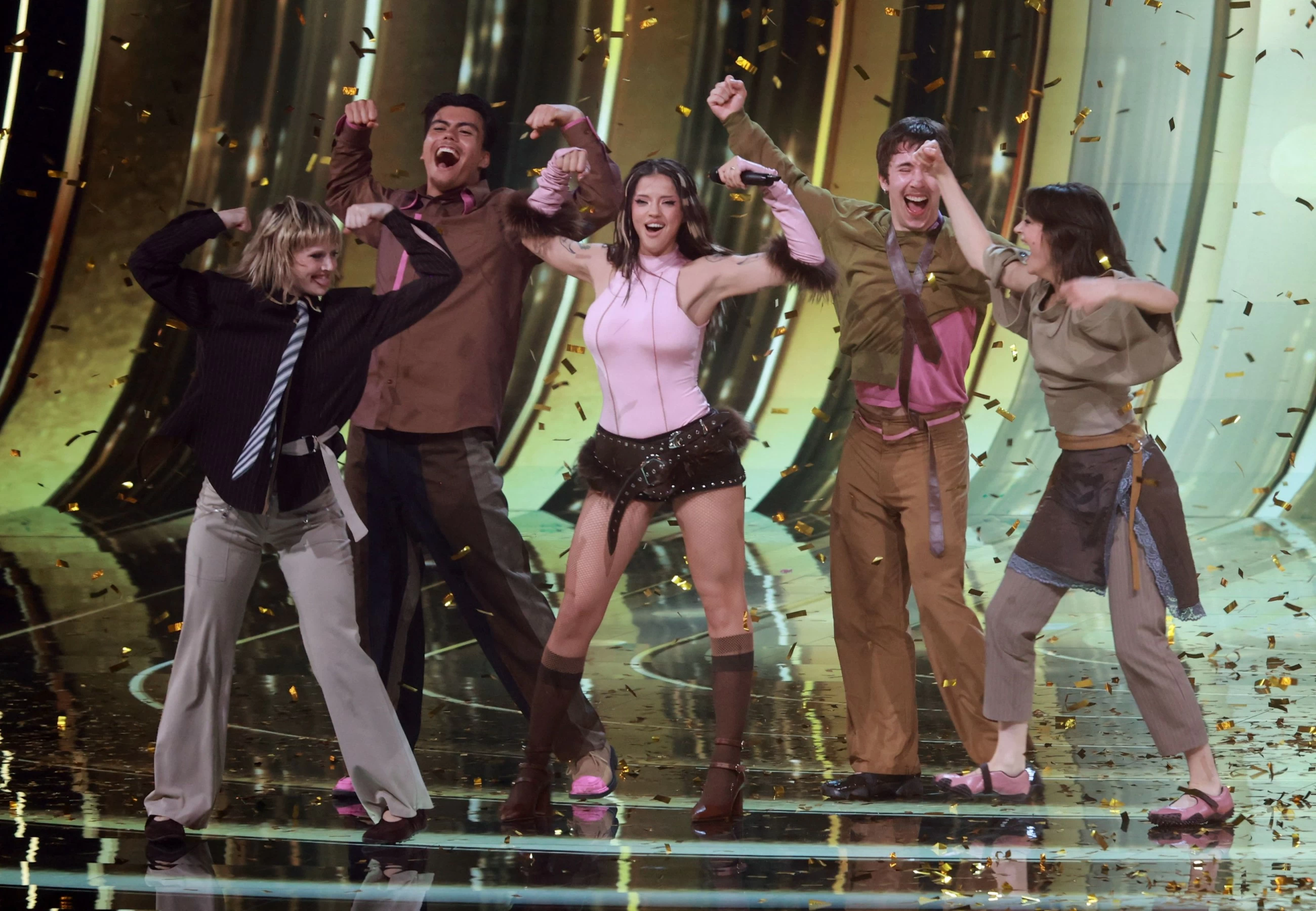
Bulgaria won the Eurovision Song Contest on Sunday with Dara's catchy floor-filler "Bangaranga" sweeping the 70th edition of the world's biggest live televised music event.
Bulgaria has missed the last three editions of the glitzy extravaganza but took the crown in Vienna for the first time ever, overtaking Israel at the very end as the points came in, with Romania finishing third.
Pop singer Darina Yotova, known as Dara, was not among the favourites going into Eurovision week but the 27-year-old gained traction following a strong performance in the semi-finals, with her highly-choreographed dance routines.
"Everything is possible: Bulgaria just won Eurovision!" Dara told a press conference.
"I really like breaking rules. I'm really good with following my rules -- not anybody else's.
"We wanted to give to the audience something new and fresh, something that is not expected."
'Magnificent story'
Bulgarian Deputy Prime Minister Atanas Pekanov on Facebook hailed a "magnificent story of immense talent, tireless effort, and faith in success, against all criticism."
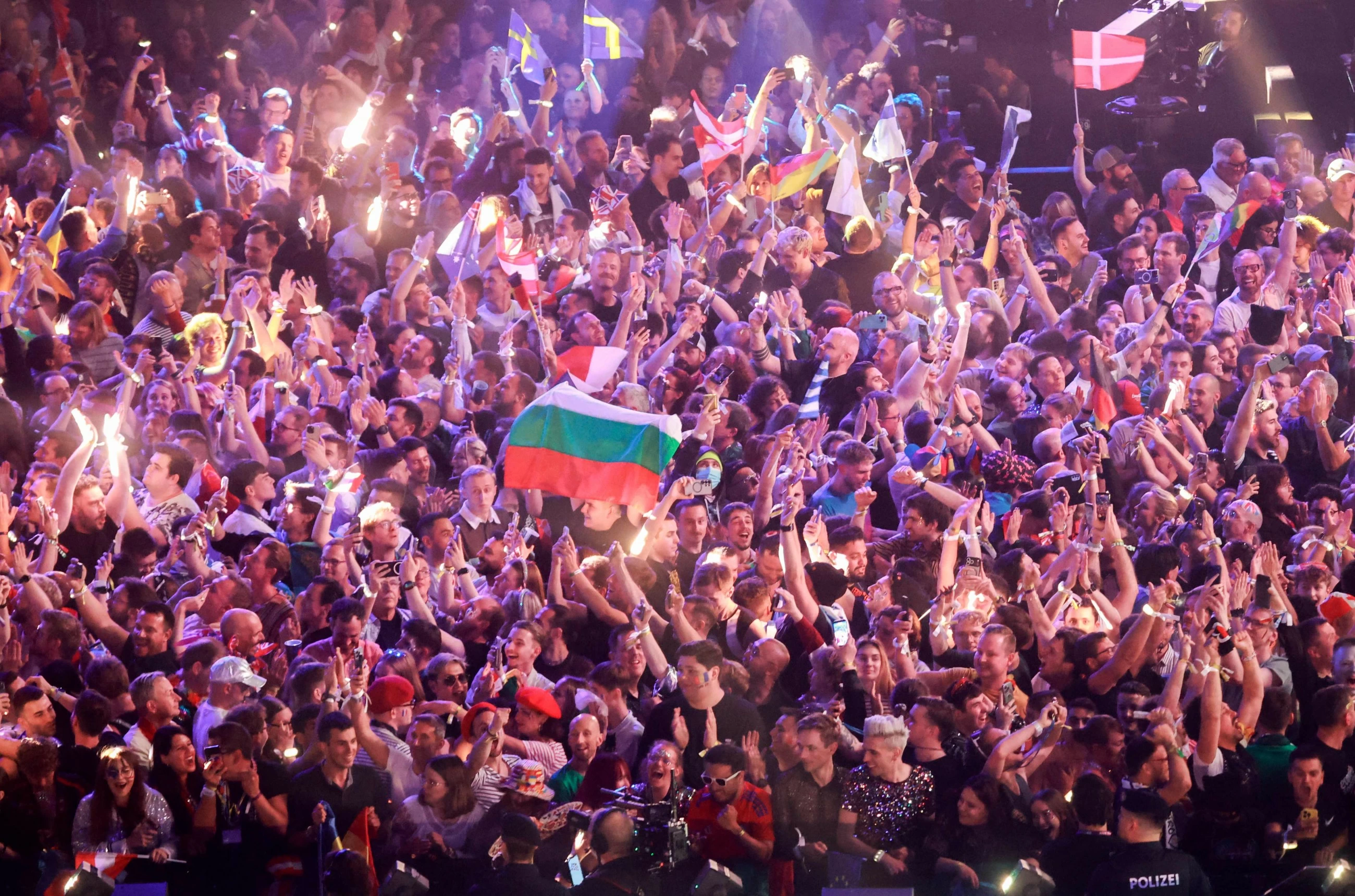
Around 10,000 glammed-up fans filled the Wiener Stadthalle arena in the Austrian capital to watch Saturday's showpiece final of Eurovision, where, as always, the razzmatazz didn't escape the geopolitics in the background.
Spain, the Netherlands, Ireland, Iceland and Slovenia staged the biggest political boycott in Eurovision history over Israel's participation, citing the war in Gaza.
Bulgaria finished with 516 points, ahead of Israel on 343, Romania on 296, Australia on 287, Italy with 281 and Finland on 279.
Johannes Pietsch, known as JJ, who won Eurovision 2025 for Austria with his song "Wasted Love", handed over the winner's trophy to Dara.
JJ had opened Saturday's musical extravaganza with a nod to Austria's grand musical history, singing the "Queen of the Night" aria from composer Wolfgang Amadeus Mozart's 1791 opera "The Magic Flute".
"Bangaranga, it's a feeling that everybody has got in themselves," Dara said earlier Sunday as the votes were coming in.
"It's the moment that you choose to lead through love and not fear, and this is a special energy that I know everybody has got in themselves."
Fans streaming out of the arena revelled in Dara's triumph.
"I didn't like the song at first,... but I saw it, I saw the performance, and I was stunned," said Katerina, a Eurovision fan from Greece.
Finnish fiddling, Romanian choking
The bookmakers' overwhelming favourites going into the final were the Finnish double-act of violinist Linda Lampenius and pop singer Pete Parkkonen, with their song "Liekinheitin", or "Flamethrower".
As the song built to a climax, 56-year-old Lampenius was shredding her bow as she worked her way to the very top of the fingerboard.
Romanian singer Alexandra Capitanescu's switched up the vibe with the 22-year-old's heavy metal song "Choke Me" triggering controversy in the build-up over its repeated lyric: "I want you to choke me".
Australia's Delta Goodrem, who has sold nine million albums, came fourth after wowing the crowds with her song "Eclipse", which was filled with strong moments, ending with her soaring high on a riser coming up out of a glittering piano.
Serbian metallers Lavina had the deepest throat-shredding growl of the night, the Czech Republic's Daniel Zizka navigated a hall of mirrors, while Lithuania's silver-painted Lion Ceccah brought an air of brooding mystery.
Agence France-Presse