New show by Dom Art Projects looks into growth factor of vegetal rhythms
- Last updated: May 14, 2026 | 08:40


Muhammad Yusuf, Features Writer
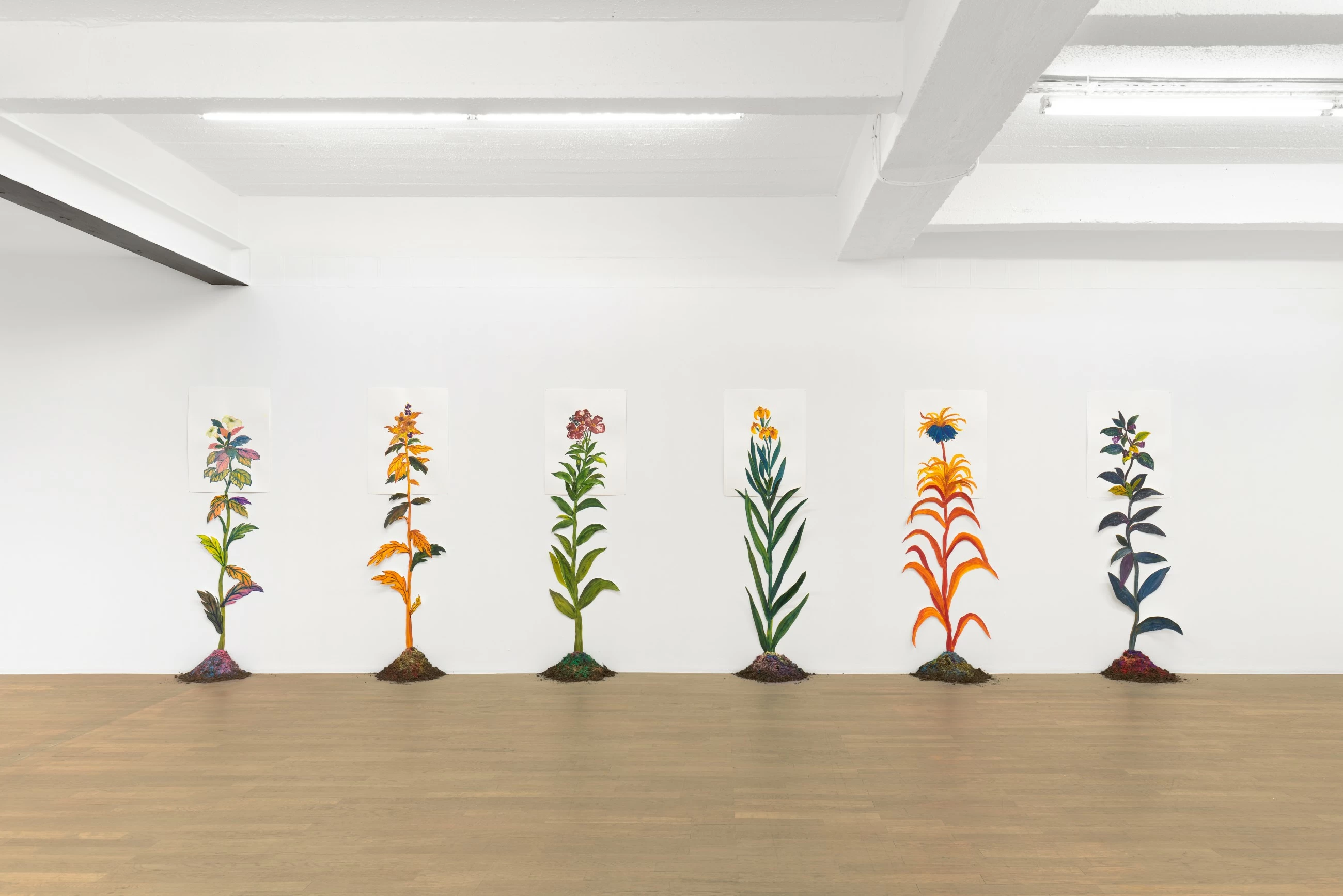
Dom Art Projects, which is participating in Art Dubai (May 15 – 17), inaugurated a show in its space in Al Khayat Avenue (May 13 – Sept. 13). Titled Time That Grows Slowly, it curated by Alexander Burenkov, and explores alternative notions of time inspired by vegetal and ecological rhythms. Participating artists are Maha Alasaker (Kuwait/UAE), Srijon Chowdhury (Bangladesh/USA), Odonchimeg Davaadorj (Mongolia/France), Patricia Domínguez (Chile), Kwama Frigaux (Ghana/France), Mevlana Lipp (Germany), Sulafa Mohammed (UAE), Tabita Rezaire (France/French Guiana), Shaima Shamsi (Saudi Arabia/Bahrain/UAE), Farah Soltani (Iran/UAE), Antoine Renard (France) and Nadia Waheed (Saudi Arabia/Pakistan/USA).
The exhibition reflects on philosophical reflections of time as growth, rather than movement. The works it features are by cross-regional artists — many of whom have never been shown in Dubai before. Time, as humans experience it, is inseparable from the vegetal. The oxygen we breathe, the food we consume, the rhythms of agriculture and settlement, are all shaped by plant life. Yet the dependency remains largely invisible. Time That Grows Slowly seeks to render it perceptible, exploring whether it is possible to inhabit, even momentarily, the ‘umwelt’ (environment or surroundings, German) of plants: to perceive the world from a vegetal perspective. Grouped around site-specific installations attentive to interspecies communication, the exhibition engages ecological, feminist, philosophical, and postcolonial concerns.
Alexander Burenkov, curator of the exhibition, says that “against the backdrop of Dubai’s fast-paced urban environment, Time That Grows Slowly proposes a tool kit for slowing down, a reorientation of our sensorium to the rhythms of plants, the creation of space for vegetal attunement, reflection and contemplation in dynamic urban conditions, and the raising of questions about how duration, memory, and lived experience are produced within such environments.
“Plants grow, decay, regenerate and coexist according to rhythms that defy linear progress and instrumental efficiency. Vegetal being is not oriented toward goals, optimisation, or dominance. It persists through exposure, vulnerability, and repetition. In this sense, the contemporary artists are interested in exploring vegetal time because it introduces an ethics of non-acceleration: a way of inhabiting the world that neither conquers time nor seeks to escape it.”
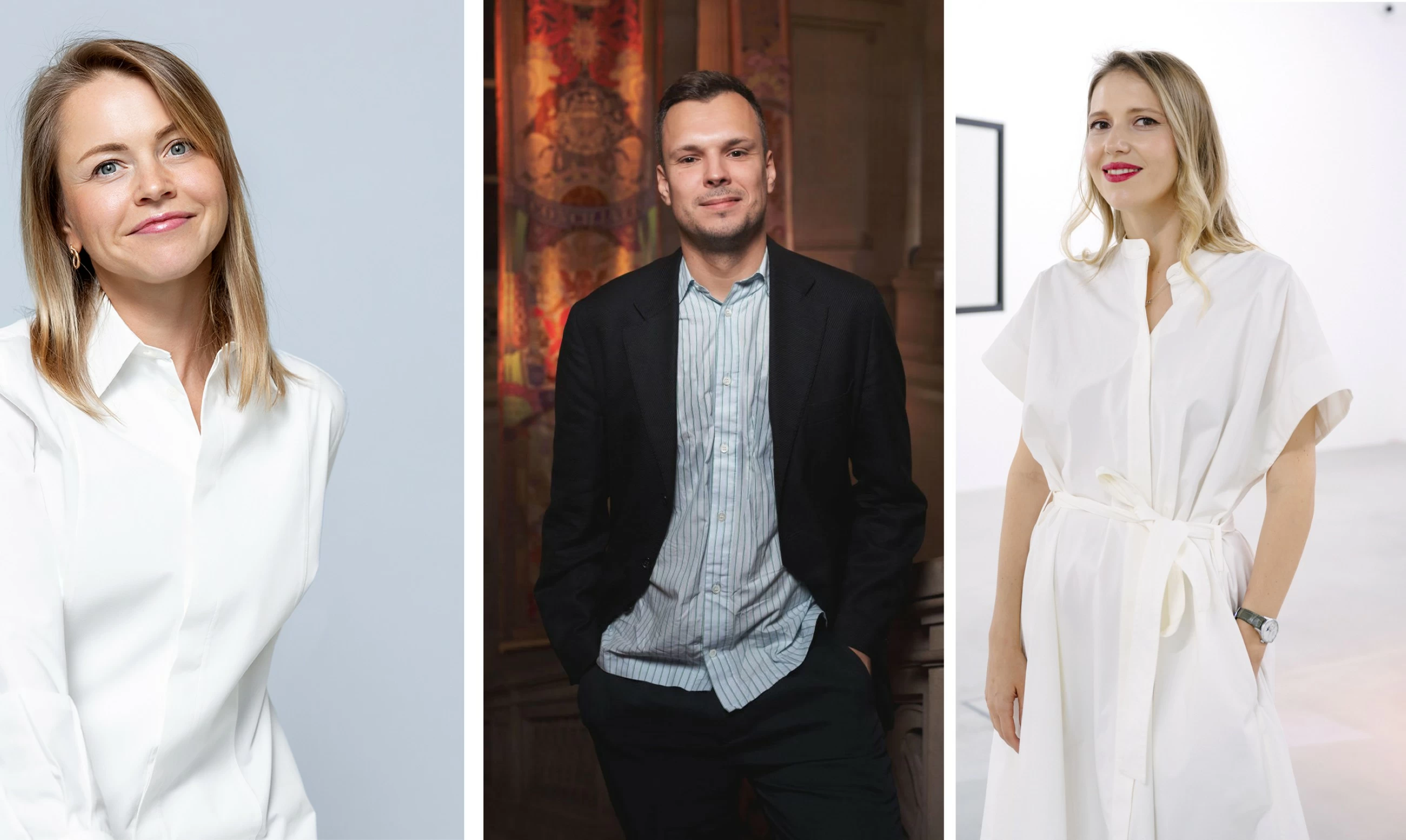
Dom Art Projects Co-Founder and Chief Curator Alisa Bagdonaite said that “this season, Dom Art Projects continues its reflection on digital, space and time through the group exhibition Time That Grows Slowly and a solo presentation by Petr Kirusha, whose practice reconsiders painting through the conditions of the screen. Our digital-focused booth in Art Dubai will be part of the same curatorial position: we do not see digital art as separate, but as fully embedded in contemporary reality. Our programme is about expanding the conditions of artistic production, fostering dialogue, and situating Dubai as a place where these temporalities and practices can unfold.”
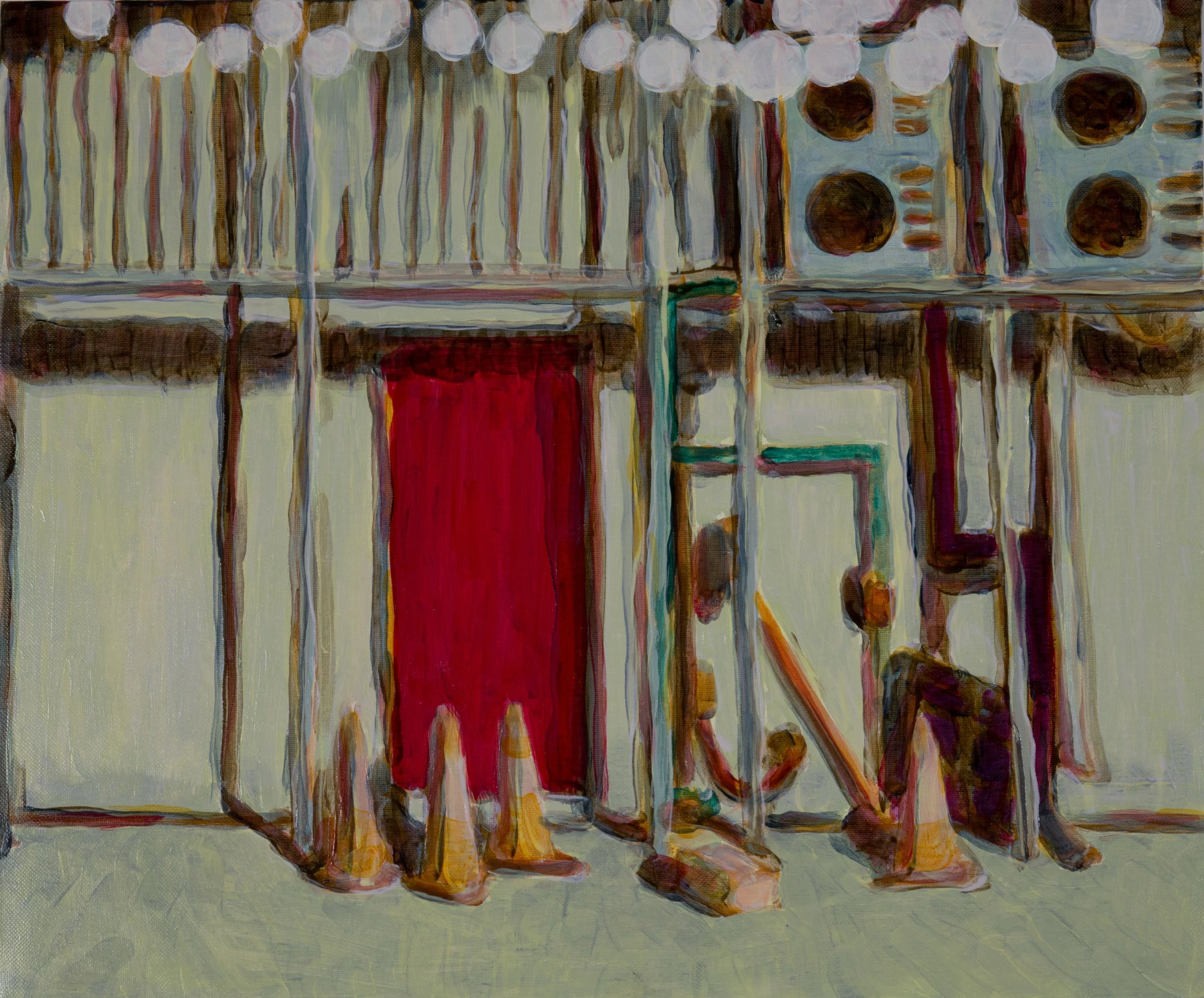
Petr Kirusha (b.1978, Russia/Latvia), features works developed during his residency at Dom Art Projects at a time of heightened geopolitical tension between the US and Iran. Running May 13 – Sept. 13, in the show Kirusha has documented the landscapes of Al Quoz and the rapidly changing cityscape of Dubai, while producing a series of drawings shaped by the intense condition of the city during this period, capturing both the immediate environment and the psychological atmosphere of those days. The observations later evolved into paintings and works on paper. For him, contemporary painting exists in close relation to light and illumination — from LED backlight to the red-orange glow of the urban night sky, and the subtle shifts of pixels in low light. He translates visual instability into stillness, capturing vibration located at the very edge of ordinary perception. Kirusha has exhibited internationally, including at Manifesta 10 and the Pushkin State Museum of Fine Arts. At Dom Art Projects, he continues his exploration of painting as a meeting point of light, technology, and surface.
Dom Art Projects is also offering studio space to seven UAE-based artists as a response to recent geopolitical tensions, providing a place for them to pursue their practice and continue to develop current projects over the next six months. The artists are Sara Masinae; Joumana Mortada; Meher Afroz Vahid; Rabila Kidwai; Aisha Alhammadi; Divyaaunshi Purohit; and Teng Miras. Projects to be explored in the studios include the development of performative and visual works responding to themes of urbanism, narrative and embodied experience, and a long-term painting project that explores how memory and lived experience, including the impact of trauma, continue to shape people beyond geography.
Anna Pumpyanskaya, Co-Founder and Director, said: “As we enter this upcoming art season during a time of resilience and connection in the UAE, we are embracing new models of support for artists, from studio occupancy and research opportunities, to presenting their work in important global platforms such as Art Dubai.”
Dom Art Projects is a private art institution and contemporary art space in Dubai dedicated to presenting museum-grade exhibitions and installations by emerging and mid-career artists. Located in Al Khayat Avenue, it comprises an exhibition programme, an art and culture bookshop, and a residency programme, with three dedicated studios for production and research.
Founded with the intention of fostering dialogue, discovery and engagement with the arts, Dom Art Projects brings together artists and audiences from different territories in pursuit of purposeful dialogue. Spanning digital practices, painting, and installation, Dom Art Projects’ programmes reflect the institution’s ongoing focus on time, perception, and the conditions shaping contemporary artistic production, bringing together international and regional artists across exhibitions, residencies, and research-led presentations.