Selling exhibition to support art: Déjà Vu at Alserkal heralds joint initiative
- Last updated: April 23, 2026 | 09:13


Muhammad Yusuf, Features Writer
Déjà Vu, a multi-gallery exhibition conceptualised by Alserkal, will open in Concrete on April 25. To last till May 8, the 14-day selling exhibition, featuring 50+ artists represented by 20 of the UAE’s leading contemporary art galleries, is a collective initiative designed to provide a commercial opportunity for the galleries, which have been impacted by current events. The exhibition — a first of its kind in the UAE — has been curated by Kevin Jones, Artistic Director at Alserkal; Nada Raza, Director of Alserkal Arts Foundation; and Zaina Zaarour, Curator & Manager of Programmes at Alserkal Avenue, in consultation with participating galleries.
Inspired by Raed Yassin’s neon work, Déjà Vu (2016), the exhibition unpacks the incongruity and inanity of repeated cycles via three streams — the uncanny as it presents in historical mismatching and memory glitches; historical absurdity; and linguistic slippage. The uncanny goes beyond the cognitive ‘mismatch’ to examine the surrealism that pervades moments of “déjà vu” (“already seen”, Fr.) as they are experienced. The curatorial intent is to delve into the gap between the real and the perceived, the consciously understood and the imagined.
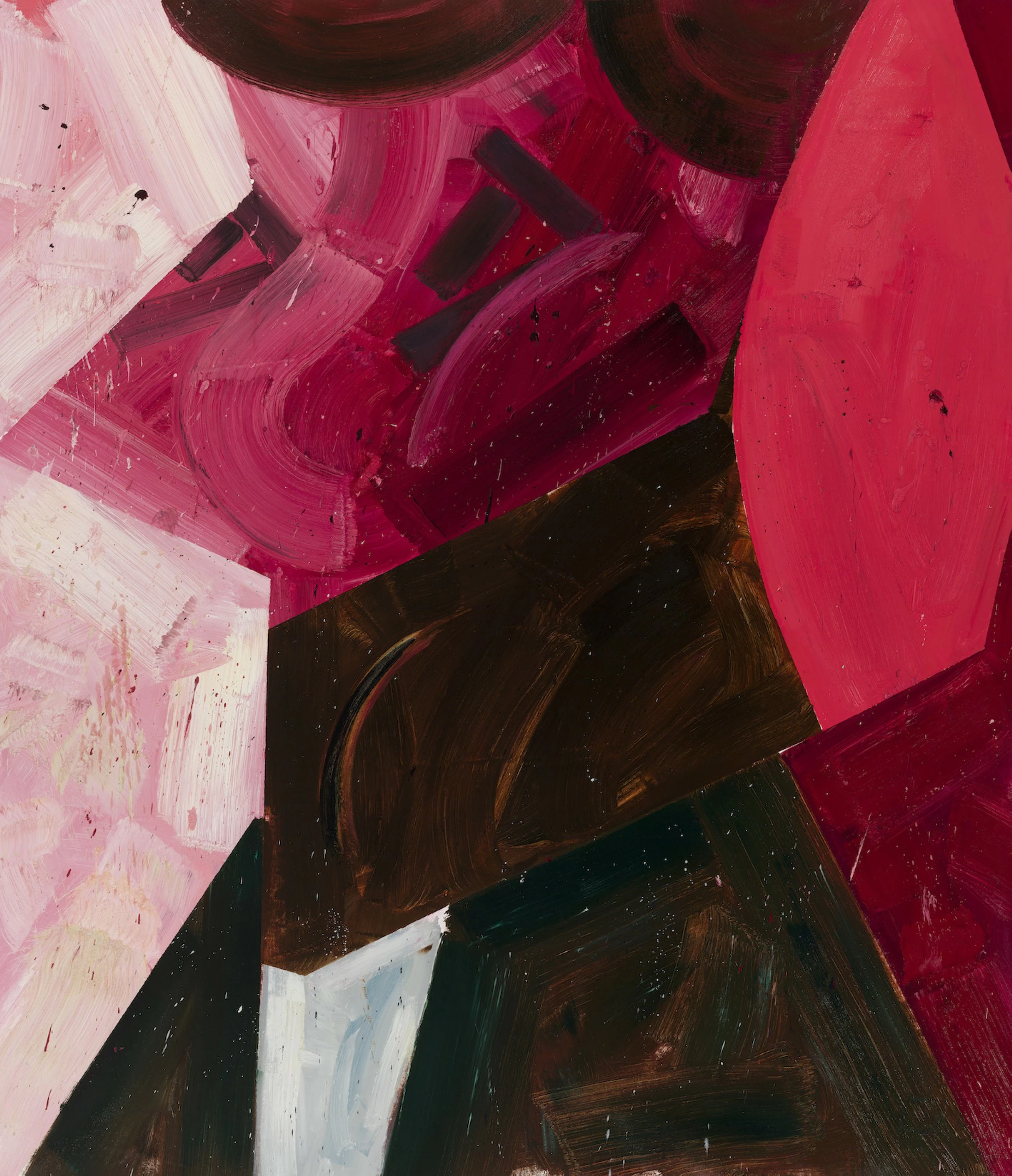
Historical absurdity explores Karl Marx’s classic assertion in The Eighteenth Brumaire of Louis Bonaparte (1852) that history repeats itself “first as tragedy, second as farce”. More particularly, the show examines the indexes that people living in the region have of geopolitical tension and conflagration, and how their memories are accessed and altered in the face of new struggles, often experienced as glitched familiarity or mis-memory. Linguistic slippage looks at how language becomes an unreliable tool for correspondence, connection and factual record in the face of conflicting narratives. It calls the intended use of words, signs and symbols into question, leaving the very foundations of communication, unstable and untrustworthy.
The exhibition will feature works by more than 50 of the region’s contemporary artists, including Samira Abbassy, Sadik Alfraiji, Nabil Anani, Ammar Al Attar, Mirna Bamieh, Lubna Choudhary, Samuel Fosso, Anahita Razmi, Larissa Sansour, Mithu Sen, Seher Shah, Slavs and Tartars, Lantian Xie, and Raed Yassin, among others. Participating galleries are: Gallery Isabelle, The Third Line, Green Art Gallery, Lawrie Shabibi, Ayyam Gallery, Carbon12, 1x1 Art Gallery, Grey Noise, Zawyeh Gallery, Efie Gallery, Taymour Grahne Projects, Aisha Alabbar Gallery, Waddington Custot, Leila Heller Gallery Dubai, Firetti Contemporary, Satellite, Iris Projects, NIKA Project Space, Tabari Artspace, and Total Arts.
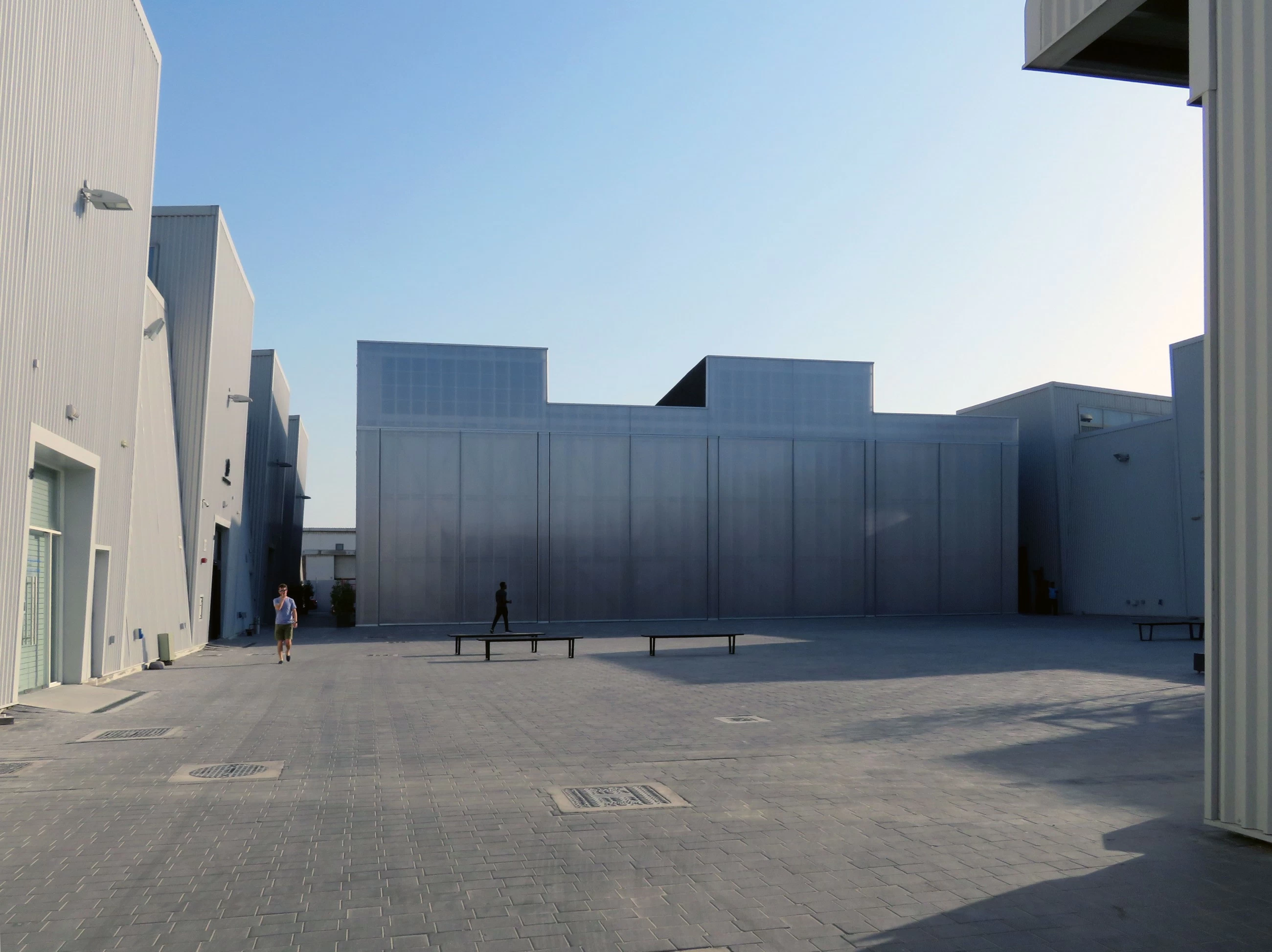
Samira Abbassy (b. 1965) is an Iranian-born British painter and draftsperson, of Arab heritage.
Her work addresses issues of mythology, female deities, psyche, memory and the diaspora. Sadik Alfraji (b. Baghdad, 1960) is an Iraqi multi-media artist, animator, video producer and installation artist noted for producing existentialist works with dark, shadowy figures that speak of human frailty. Nabil Anani (b. 1943) is a Palestinian visual artist. He was one of the founders of the contemporary Palestinian art movement called New Visions and was awarded the first Palestinian National Prize for Visual Art in 1997 by Yasser Arafat. Ammar Al Attar is a self-taught photographer and mixed media artist, based in Ajman. He documents and translates as well as researches and examines aspects of Emirati rituals, material culture and geographic orientation that are increasingly vanishing in a rapidly globalising society.
Mirna Bamieh explores the politics of disappearance and memory production by dealing with the social concerns and limitations of Palestinian communities amid contemporary political dilemmas. Samuel Fosso (b. 1962) is a Cameroonian-born Nigerian photographer who has worked for most of his career in the Central African Republic. His work includes using self-portraits adopting a series of personas, often commenting on the history of Africa. Anahita Razmi (b.1981) is a German-born contemporary artist, of Iranian and German descent. She works with installation, sculpture, video art, and performance. Alserkal is a cultural enterprise rooted in Dubai and active globally, shaping contemporary culture and advancing the creative economy across the MENASA region and beyond. Founded in 2007 by Emirati business leader and patron Abdelmonem Bin Eisa Alserkal, the organisation began with the transformation of a former industrial site into Alserkal Avenue, now one of the region’s leading destinations for contemporary art and community engagement.
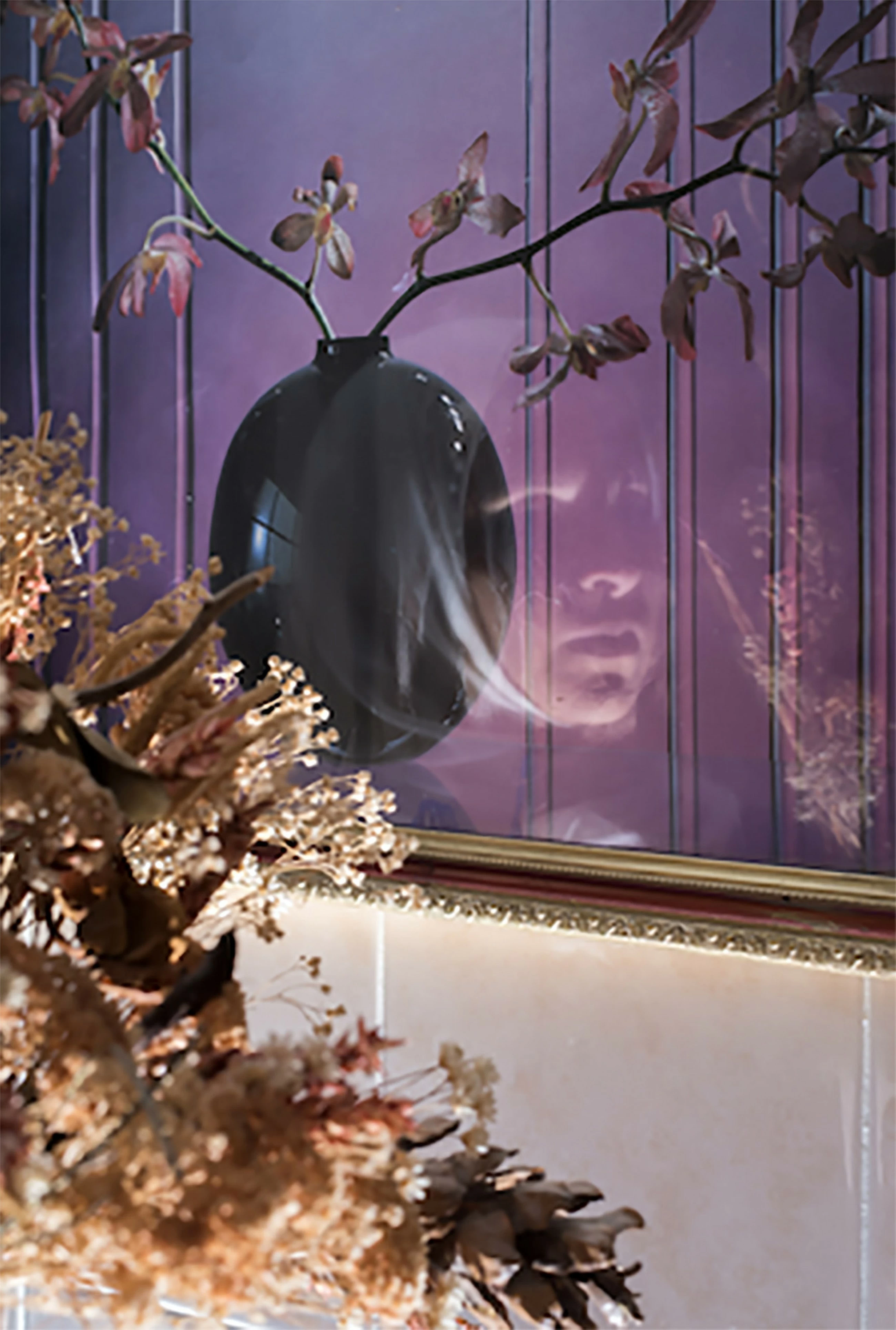
Through three pillars — the Arts Foundation, the Advisory strategic creative consultancy and the Cultural Districts — Alserkal champions alternative thinking and experimentation, fostering collaboration and new cultural narratives that drive long-term civic and cultural impact. Through its partnership with Design Miami, Alserkal leads the development of Design Miami Dubai in the Middle East, introducing a new collectible design platform with a flagship fair and year-round activations. Alserkal Avenue, the home of Alserkal, is a cultural district in Al Quoz, home to Dubai’s creatives, makers, and cultural visionaries. Welcoming almost 2 million visitors annually, the Avenue brings together 90+ creative businesses across art, design, food, performance, and lifestyle in a vibrant destination, creating cultural encounters for local, regional, and international communities.
With contemporary art at its core since its inception, the Avenue is home to 17 leading galleries, anchoring one of the regional art ecosystems. Alserkal Avenue presents a year-round programme of events, including the Quoz Arts Fest each January, Alserkal Art Week twice a year during key art and design moments, winter weekend activations, and community events. As a key contributor to Dubai’s creative economy, Alserkal Avenue is currently home to almost 100 businesses across 500,000 square feet, and continues to serve as a launchpad for new, Dubai-based ventures. Alserkal Avenue is part of the Alserkal cultural enterprise.