From earth to sky: Saudi Arabia’s Black Gold Museum explores hero role of oil
- Last updated: April 11, 2026 | 09:17


Muhammad Yusuf, Features Writer
Prince Abdulaziz bin Salman bin Abdulaziz Al Saud, Minister of Energy and Chairman of KAPSARC’s Board of Trustees, alongside Prince Bader bin Abdullah bin Farhan Al Saud, Minister of Culture, have officially inaugurated the Black Gold Museum at KAPSARC, marking a significant milestone in Saudi Arabia’s cultural landscape. The Black Gold Museum is the first of its kind, exploring the transformation and impact of oil on global development and societies through modern and contemporary art.
It offers visitors the opportunity to engage with the story of “black gold” in an entirely new way (KAPSARC is the King Abdullah Petroleum Studies And Research Center, Riyadh). Prince Abdulaziz bin Salman bin Abdulziz Al Saud said that the museum is the result of collaboration between the cultural ecosystem, represented by the Museums Commission, and the energy ecosystem, represented by KAPSARC. It aims to present a comprehensive narrative of the history of oil and its far-reaching impact across all aspects of life.
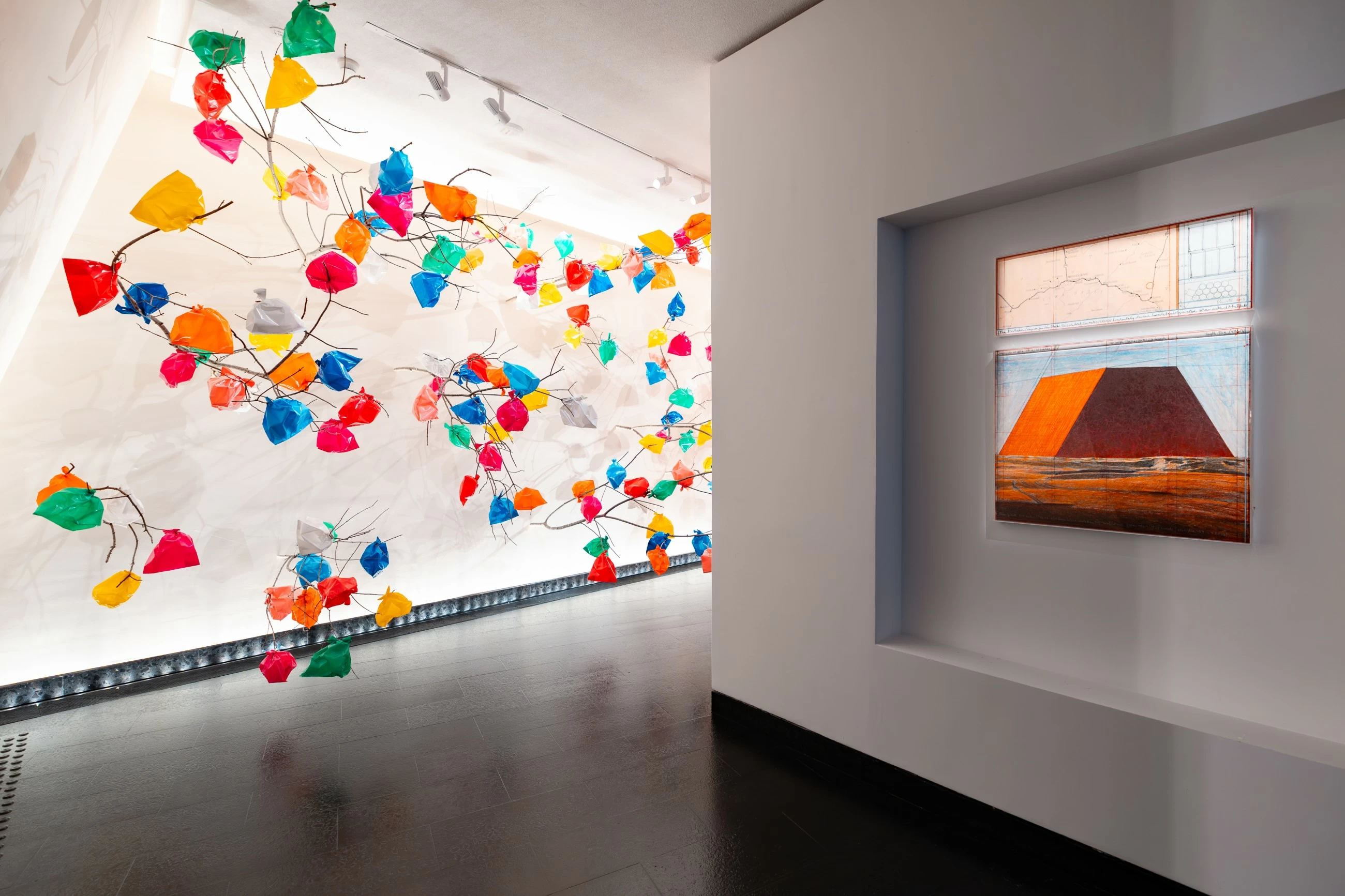
Prince Bader bin Abdullah bin Farhan Al Saud said that “the Black Gold Museum marks an important milestone in the arts sector and global cultural discourse. As the first permanent museum dedicated to oil and art, it provides an unprecedented space for reflection and critical thought, and for celebrating the transformative power of culture in shaping our understanding of the world.”
Unlike traditional science or industry museums, the Black Gold Museum approaches oil through an artistic, cultural, and human lens. It features a permanent collection of more than 350 artworks from over 30 countries, created by more than 170 leading Saudi and international artists, including Manal AlDowayan, Ahmed Mater, Muhannad Shono, Mohammad Alfaraj, Ayman Zedani, Doug Aitken, Jimmie Durham, Dennis Hopper, Alfredo Jaar, Renaud Layrac, George Sabra, Pascale Marthine Tayou and Andy Wauman, among others. In addition, the museum presents major installations, photographs, and historical documentation, offering visitors an opportunity to explore how oil has shaped societies, economies, and everyday life.
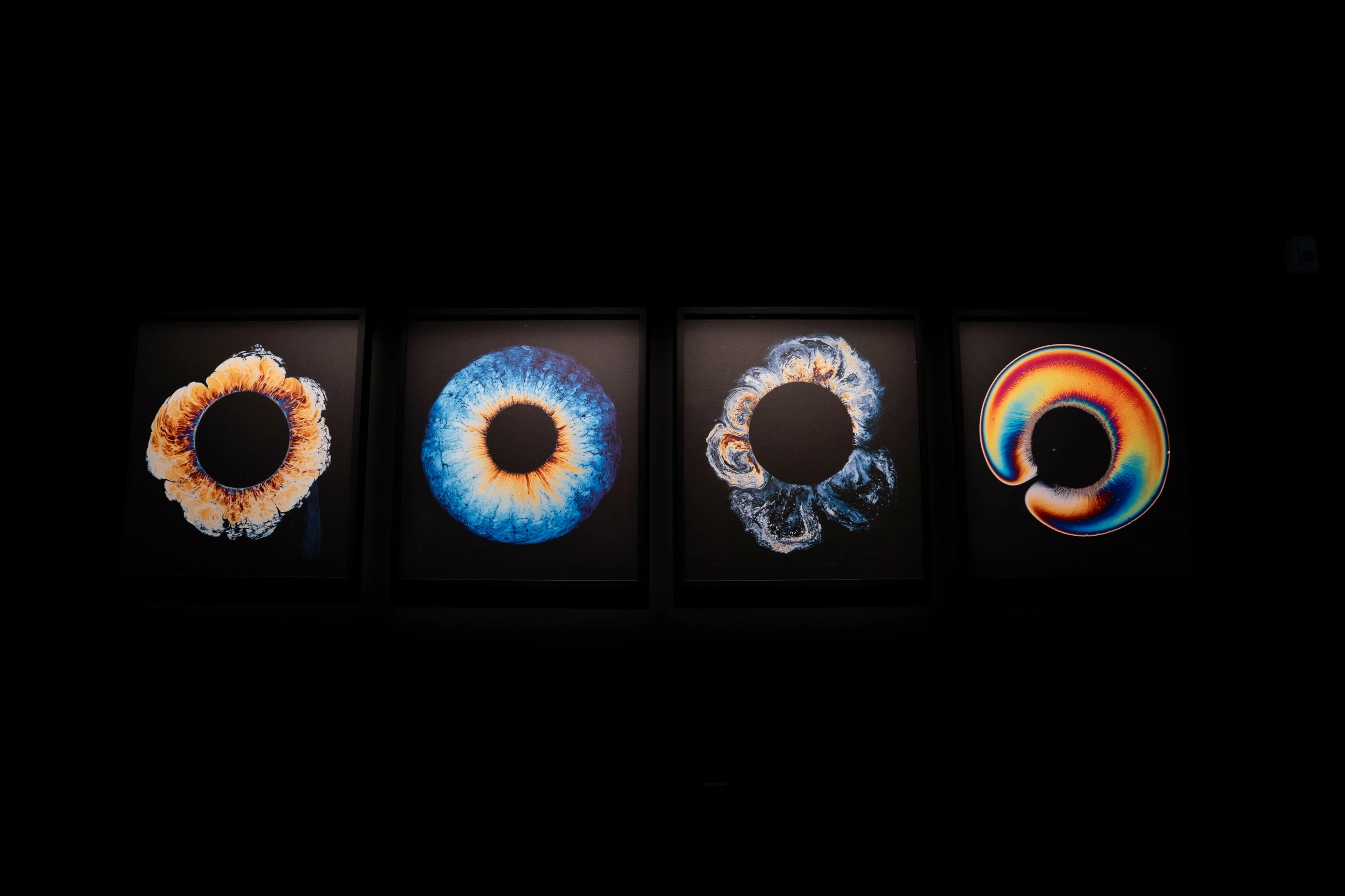
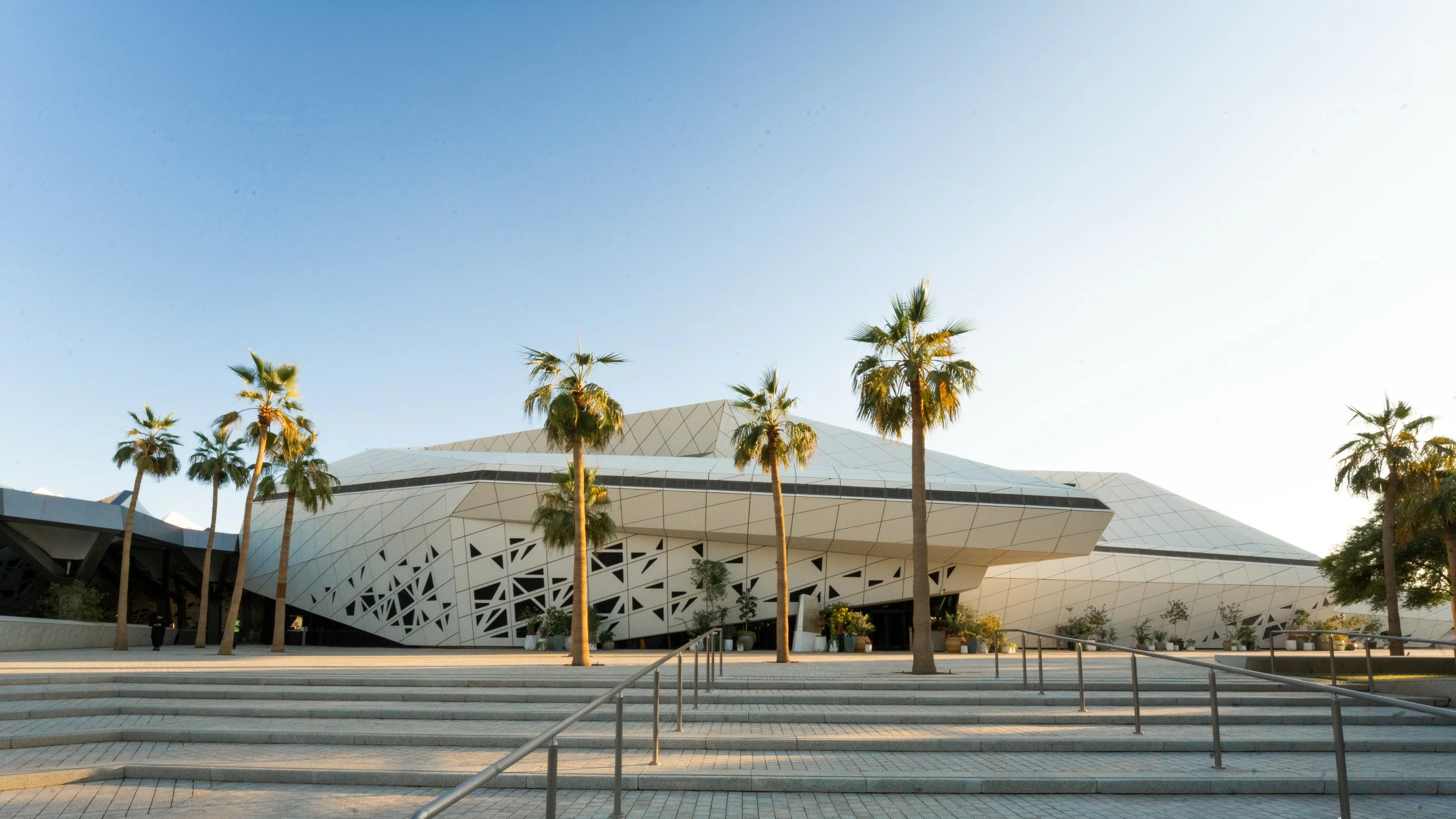
The museum is organised into four interactive sections: Encounter, Dreams, Doubts, and Visions. Encounter presents the global story of oil’s discovery and its early uses in the 19th century, highlighting its role in driving industrialisation. Dreams traces how oil became a vital resource that reshaped societies and fuelled development ambitions. Doubts offers a critical reflection on oil’s impact and the complexities of global reliance on it. Visions looks toward the future through a dynamic program of dialogue and discovery. The Black Gold Museum is housed at KAPSARC in an iconic building designed by Zaha Hadid, with interiors by DaeWha Kang Design. The museum is supported by the Quality of Life Program, one of the Vision 2030 Realization Programs.
The Museums Commission, under the Ministry of Culture in Saudi Arabia, leads the development of the museums sector in the Kingdom. Eng. Abdullah bin Abdulaziz Al-Hammad serves as the Chief Executive Officer of the Museums Commission at Saudi Arabia’s Ministry of Culture, which is developing Saudi Arabia’s cultural economy. It oversees 11 sector-specific commissions. Jack Persekian is the director of the Black Gold Museum. Prior to this, he was the founding director of the Al Ma‘mal Foundation for Contemporary Art in Jerusalem, as well as the artistic director and producer of the Millennium Celebrations in Bethlehem. Persekian also served as chief curator and artistic director of the Sharjah Biennial and later became the founding director of the Sharjah Art Foundation.
Christian Janicot, Curator, Black Gold Museum, is an artistic advisor, curator, artistic director, teacher and former assistant to the painter Matta. He became the artistic director of special effects studios for film and animation, as well as a member of the Académie des Césars. Janicot then created the Laboratoire d’images for television with illustrators and artists, producing video creation programmes and feature films with directors such as Alain Resnais and Peter Greenaway, among others.
An AI Overview points out that oil is called “black gold” because it is a highly valuable, dark-coloured liquid resource that drives the global economy, much like gold. The term highlights its immense economic worth, scarcity and critical role in producing energy, fuelling transportation, and manufacturing products. Like gold, crude oil is a scarce, non-renewable resource that brings immense wealth to those who extract it. In its raw form, crude oil is a thick, black or dark brown liquid, earning it the “black” moniker. It serves as the backbone of modern industrial life, powering transportation, agriculture, and manufacturing. Similar to the gold rush, finding oil deposits (striking it rich) can lead to enormous financial gain. The phrase was popularised in the late 19th century, as oil replaced coal as a primary fuel source, highlighting its newfound importance.
KAPSARC is an advisory think tank dedicated to advancing knowledge and evidence-based insights on energy economics, climate and sustainability. An accredited observer to the United Nations Framework Convention on Climate Change (UNFCCC) and the United Nations Environment Program (UNEP), it actively contributes to global climate and environmental policy dialogues. The KAPSARC campus in Riyadh contains both a Residential Campus (called the REC, located on the west side) and a Research and Office Complex (called the ROC, on the east side). The 70,000 square metres Research and Office Complex was designed by Zaha Hadid, and supported by Event Communications. The complex consists of five interlocking buildings, a research centre, a computer centre, conference centre, library and the Musalla, a place for prayer.