‘KPop Demon Hunters’ brings global fans to Seoul’s old city wall
- Last updated: March 19, 2026 | 10:10


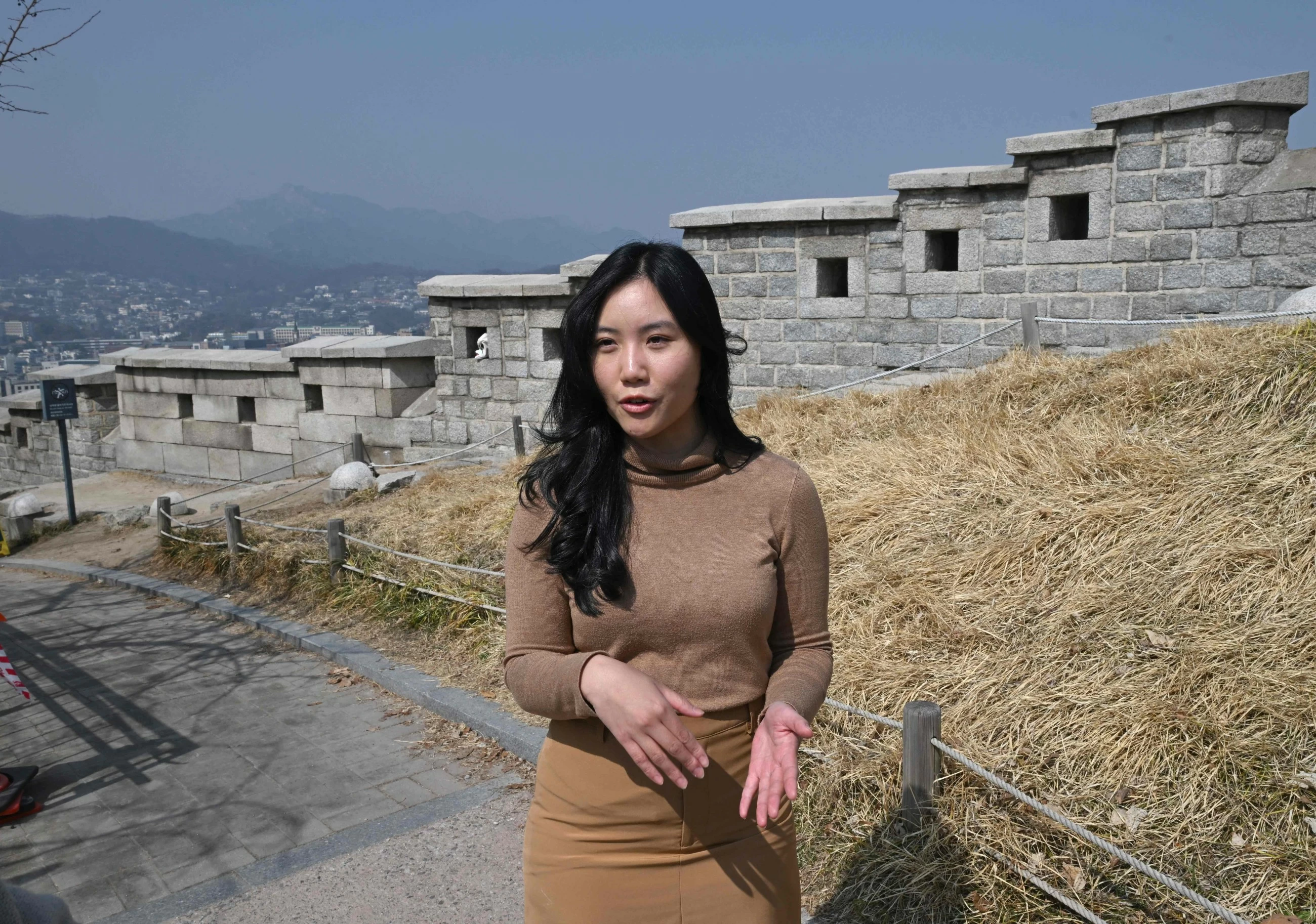
Australian visitor Nhung Nguyen made the hike up steep steps to a stunning Seoul park precisely because of its star turn in mega-hit “KPop Demon Hunters”. The real-life settings of the animated film, fresh off a double Oscars win, have become a pilgrimage site for fans of Netflix’s most-watched original film of all time. Naksan Park sits on a ridge high above the South Korean metropolis that includes parts of an 18.6-kilometre (11.5-mile) fortress wall built to surround the capital hundreds of years ago.
“I thought the location was very beautiful and I found out that it’s a real location so I came here,” said 29-year-old Nguyen, who said she grew up listening to K-pop. The movie tells the tale of HUNTR/X, a popular K-pop girl group whose members live double lives as weapons-wielding demon slayers. Their songs help create a magical barrier called the Honmoon that protects humanity.
It won best animated feature and an Academy Award for best original song for “Golden”, the film’s infectious anthem about empowerment, self-reliance and personal growth. It was the first K-pop song to win the category. In the movie, Naksan Park is where the main character, the half-human Rumi, meets clandestinely with a star-crossed love interest. Nguyen was thrilled to be high above the city of 9.3 million at the site of special segment of the film that is set to a thumping soundtrack.
“It was a scene in ‘KPop Demon Hunters’ where they sung ‘Free’,” she enthused. “The wall I feel... is very iconic.” She wasn’t the only one who had the idea to make the trip on Tuesday, just days after the movie’s Academy Award triumph.
“We came to Korea for a family vacation but we really liked ‘KPop Demon Hunters’. So with the kids we wanted to come and see this place,” said Emily Han from Florida in the United States.
The movie had helped add “interest to different places that we can go and see”, said Han, who was adopted from South Korea as a child. The movie was seen as the latest example of the “K-syndrome” — the world’s irresistible appetite for movies, music, books, fashion and cuisine showcasing Korean life and experiences. Bong Joon-ho’s 2019 Palme d’Or and Oscar best picture winning film “Parasite”, and the hugely popular television series “Squid Game” are just some of the other examples of productions out of South Korea that have made a global splash. This will be further in evidence on Saturday when boy band BTS perform for their first concert in almost four years — an extravaganza likely to be watched by millions worldwide.
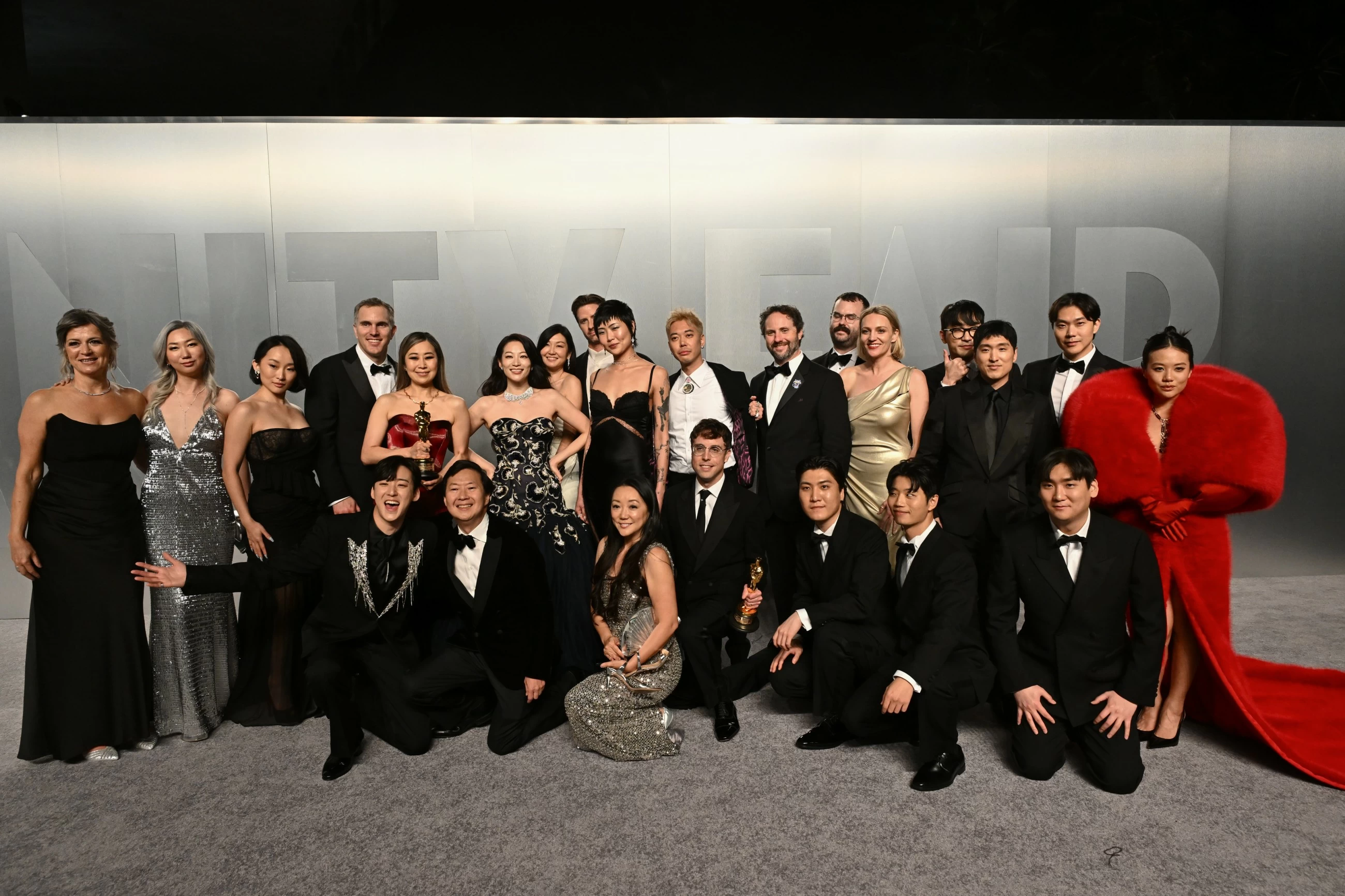
But “KPop Demon Hunters” isn’t strictly speaking South Korean. It was made by Sony, directed by a Korean-Canadian and an American — Maggie Kang and Chris Appelhans — and it’s originally mostly in English. “This is for Korea and Koreans everywhere,” Kang said in her emotional acceptance speech. “It’s a good kind of East meets West kind of movie,” said Nguyen, an Asian-Australian of Vietnamese descent. “It was a good representation of that.”
Meanwhile, South Korean fans and media basked in the success of “KPop Demon Hunters” on Monday after the film clinched two Oscars and added to the country’s growing pantheon of cultural hits. The fantasy flick, a clash of good versus evil drawing heavily on Korean mythology and driven by a pulsing K-pop soundtrack, won the Academy Awards for best animated feature and best original song at Sunday’s ceremony in Hollywood. It had already built a massive global following, becoming the most-watched original film of all time on streaming giant Netflix and hoovering up accolades including a Grammy for lead track “Golden”, the first such win for a K-pop song.

South Koreans hailed their latest cultural product to infect the world with “K-syndrome” — the irresistible surrender to the country’s movies, music, books, fashion and cuisine. “So the so-called K-syndrome is now going into animated film as well,” wrote one viewer using the YouTube handle Kim Chang-soo, echoing widespread pride online. Much of the domestic reaction centred on Korean-Canadian co-director Maggie Kang’s emotional acceptance speech, with the Seoul-born filmmaker dedicating the prizes to her motherland. “The culture ministry should at least award her a medal for that speech!” one internet user commented on a news portal.
A headline in the Hankook Ilbo newspaper quoted Kang’s address directly, blaring: “This is for Korea and Koreans everywhere”. News channel YTN lavished praise on Kang’s “heartfelt message to Korea”, referring to the movie by its affectionate shorthand “Kedehun”, a combination of the title’s first three syllables. The film’s dual Oscars triumph caps a remarkable run since its June release on Netflix.
On the back of its blockbuster-style debut, the platform also released a limited “sing-along” edition in North American cinemas for one weekend, which topped the box-office chart. Netflix has already announced a sequel, though no release date has been set. The film’s Grammy win for “Golden” was widely viewed as a breakthrough moment for K-pop, marking the genre’s first victory at an awards show that had eluded the industry despite its global popularity.
Agence France-Presse