Kutubna Cultural Center showcasing Digital Art Exhibition: Printed Works
- Last updated: January 11, 2026 | 09:46


Muhammad Yusuf, Features Wrtiter
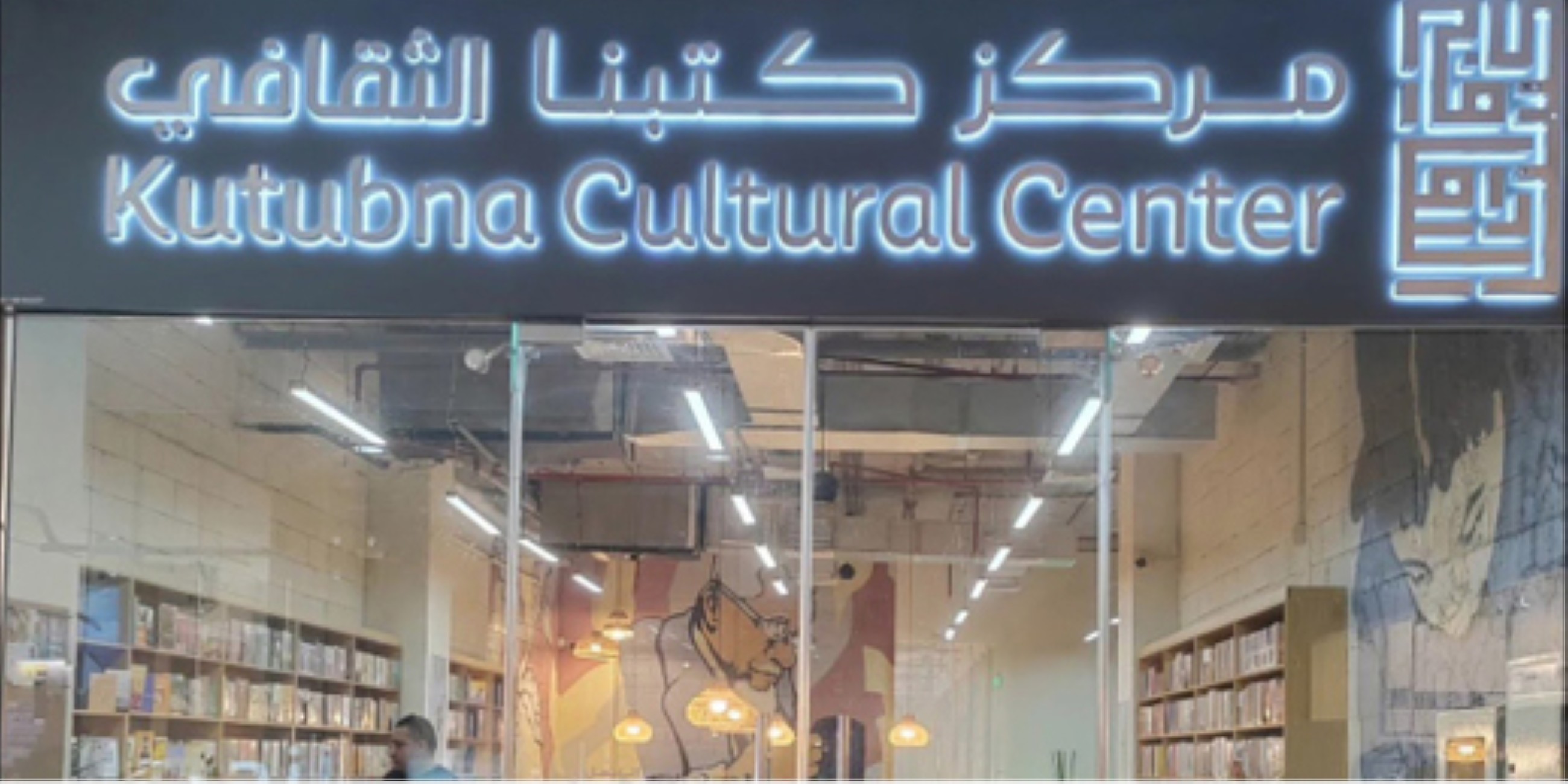
Kutubna Cultural Center, Dubai’s independent bookstore and cultural centre, is showcasing 35 artworks created by 27 globally diverse and celebrated group of artists in the digital art arena (Digital Art Exhibition: Printed Works, Jan. 17 – Mar. 9). The artists hail from 16 countries, and the digital pieces, printed and displayed on the gallery’s walls, present a kaleidoscopic range of subjects and sentiments, reflecting the complexity and richness of being human today. The exhibition offers glimpses of memories and moments drawn from the artists’ lived experiences and intimate musings on pressing questions around identity, agency, and memory, including social currents, disruptions and continuity, and the simultaneous existence of homo sapiens in the material and digital worlds in today’s world.
Rendered through digital tools, in some instances as a complement to or a continuation of manual methods of art making, the pieces in the exhibition invite viewers to explore and take notice of the depth, detail, and emotional breadth that figurative and abstract digital art can characterise. The exhibition also encourages conversation around what shifts, transforms and takes shape, as audiences encounter and interact with the printed works in a physical space, rather than on a screen. Collectively, they demonstrate the capacity of digital art as an accessible site of exchange among and between artists and audiences, where artists create across different levels of technical mastery and a range of ideas, while audiences have multiple entrances to engage and interact with the objets d’art.
Ahmet Albayrak’s Grand Migration from Turkey is a multi-layered composition of photographic material, hand-drawn elements and digitally generated forms that draw the spectator to contemplate the persistence of human presence, as it inhabits and mediates between physical environments and virtual spaces. Blending science, memory and symbolism, Ahmet’s art traces a path from childhood migration and familial creativity to a powerful visual practice rooted in cultural, political and emotional storytelling. Aseel AlJaberi’s Between Then and Now and Displaced from Palestine, a depiction of street scenery in Bethlehem’s Old City, situates the onlooker in a place that carries the remembrance of liberty and the enduring energy of a sustained, optimistic struggle. Aseel is a Palestinian architect and visual artist from Bethlehem, owning a strong academic and professional background in architecture and teaching experience at Palestinian universities.
Her work sits at the intersection of art and architecture, drawing on both personal and collective stories deeply tied to place, memory, and identity. Through multilayered visual narratives, she re-imagines the Palestinian landscape, addressing themes of resilience, transformation and the enduring relationship between people and space. She “reflects on urban environments and engages with the shifting architectural and human dimensions of Palestinian life.” (Artsy). Ukrainian artist Diana Zhuk shares an artwork titled The Sun Will Rise, created using Procreate. In the piece, the sun is portrayed not merely as a natural source of light, but as a powerful symbol of inner renewal, resilience, and unwavering faith, a reminder that after every period of darkness, light inevitably returns.
Diana’s paintings are inspired by the concept of human dependence on digital technology and perhaps the resultant alienation from nature, due to technology. Her works focus on a wide range of objects in animalistics, geometric abstractionism and realism. “I find myself continually trying to overstep the limits: limits of my capabilities, my knowledge, my circumstances,” she says. “I love art for the variety of opportunities it gives me. The opportunity to express myself without waiting for approval. Without seeking understanding. It's just my free-hearted dialogue with the world.”
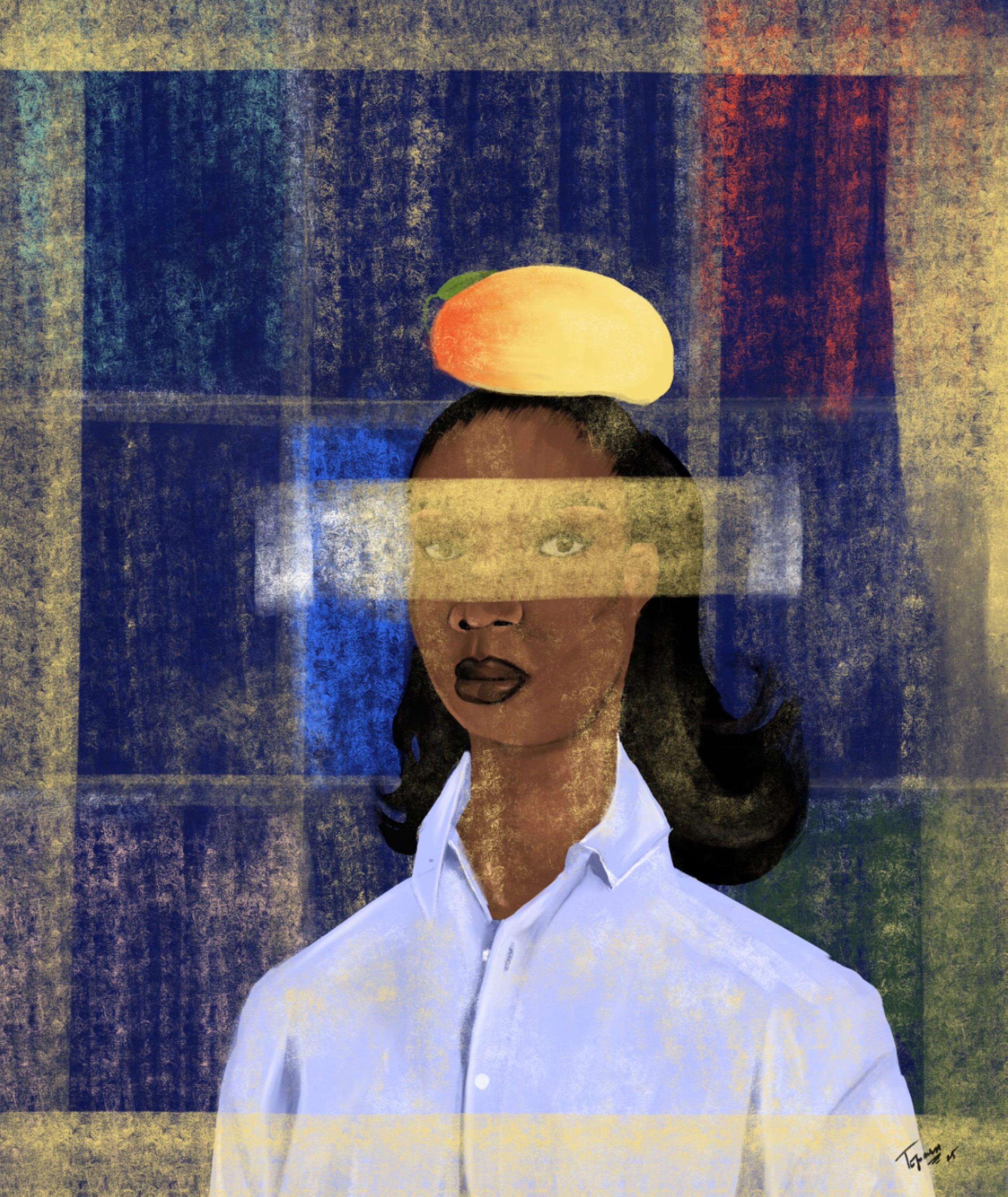
Meanwhile, the portraits – Kashish Rabban’s Moment to Breathe and Tejumola Animashaun’s Day Bloom – Oraya – show how colour, line and texture come together in various digital ways to allow the viewer to pause and avail the opportunity to appreciate and relate to the subjects, in a more personal and intimate manner. Kashish is an artist and educator, passionate about art’s transformative power. Tejumola is a multidisciplinary artist whose work forms a bridge between traditional and digital media. The multiple layers of visual narratives she creates explore themes of identity, womanhood, and societal boundaries.
As a platform that champions potentially underserved cultural workers and amplifies underrepresented narratives, Kutubna issues open calls for exhibitions guided by themes that encourage the sharing of work across different approaches and levels of experience. Speaking for the curatorial team, Kutubna’s founder and director, Dr. Shatha Almutawa, said that “we’re excited to bring our diverse Kutubna community together around an equally diverse group of artists and works. Through slower, shared encounters with the printed pieces, we hope the artworks foster discussions that continue beyond the gallery space and inspire more creative pursuits." Digital Art Exhibition is curated by Nora Qudah.
Kutubna Cultural Center was established in 2023 as an independent bookstore, literary hub and art venue for Dubai and the Gulf region, offering a community space to enjoy books, art, specialty coffee, and cultural events. Kutubna’s vision is to become a premier destination for literary and cultural enrichment in the Gulf. It celebrates the accomplishments of Khaleeji, Arab, Middle Eastern, North African and Muslim writers, poets, thinkers, artists, and researchers, amplifying the voices through lectures, readings, guided conversations, workshops, and similar activities for people of all ages, striving to make creative and scholarly pursuits accessible to people who traditionally live and work at the margins. “We work especially hard to make cultural events easier for mothers with young children to attend,” Kutubna says.