City life at Night School: Fresh focus in Jameel Arts Centre’s current plan
- Last updated: January 7, 2026 | 09:23


Muhammad Yusuf, Features Writer
The fifth edition of Jameel Arts Centre’s 2026 Night School programme (Jan. 8 — Feb. 12) starts with Pardon Our Progress, where architect and writer Todd Reisz shapes discussions around urbanism, history and their intersections in the port city of Dubai, with audience participation. This year’s seminar participants will meet with experts and thinkers who foster years-long commitment to their investigations into cities and how people inhabit them, ranging across Dubai, Abu Dhabi, Cairo, Kuwait and Mumbai. The theme takes its cues from the ever-present roadside signs that urge patience, while the city takes new shape.
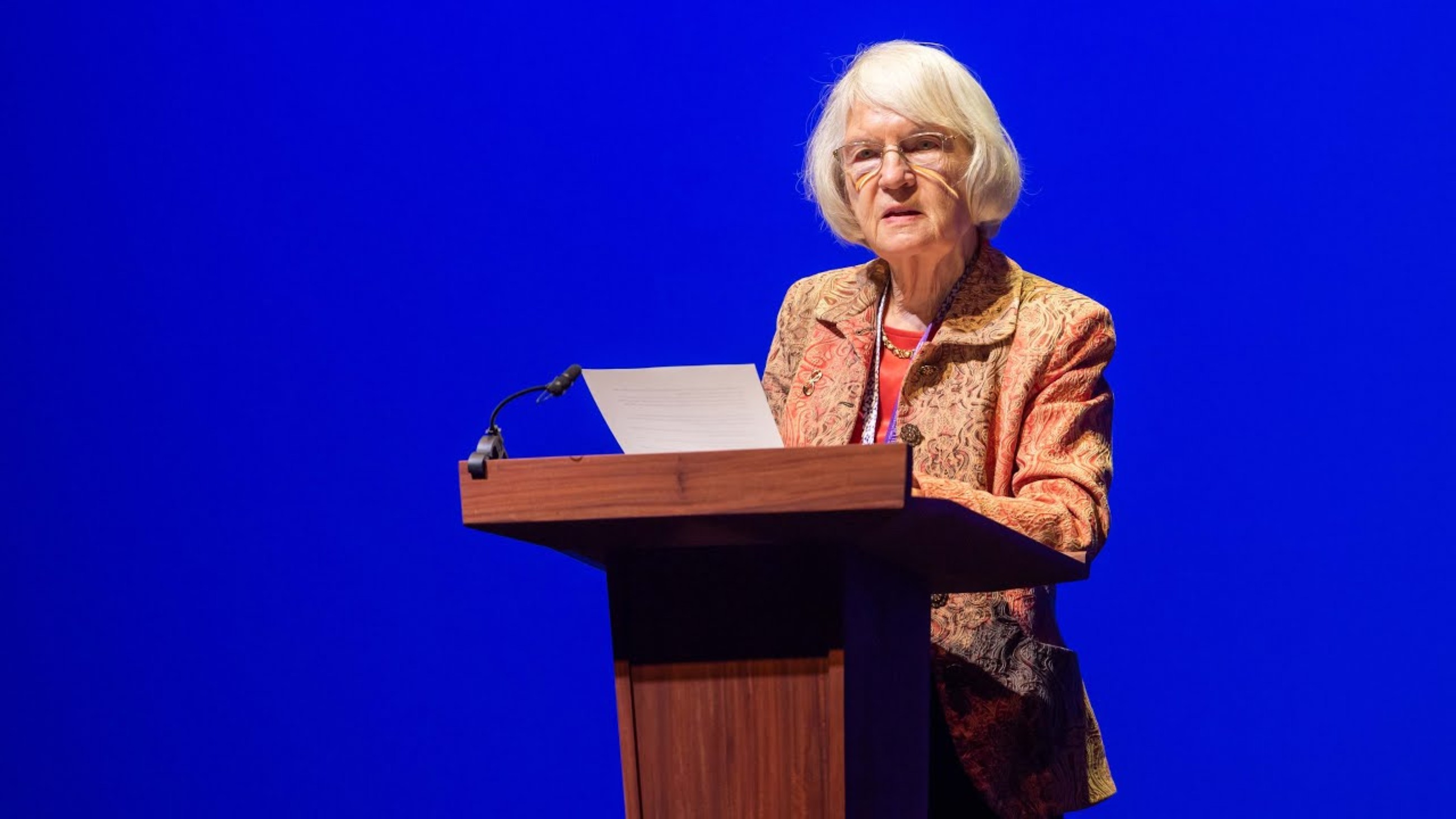
On January 11, historian and author Frauke Heard-Bey joins Meitha Almazrooei to discuss the long arc of writing and archiving a national history over 40 years, in An Unwritten Country. What started as a presentation at a European conference, turned into Heard-Bey’s landmark publication From Trucial States to United Arab Emirates, in 1982. It is now a textbook for universities. Frauke Heard-Bey studied history and political science in Heidelberg and Berlin. She received her Ph.D. from the Freie Universitat of West Berlin in 1967 and followed her husband, David, to Abu Dhabi in the same year. In 1969, Frauke joined the Centre for Documentation and Research in Abu Dhabi, part of the Presidential Court, in the Qasr Al Hosn.
She was with the Centre for 39 years, while it moved to a purpose-built place and became the National Archives, in 2014. Her latest book Abu Dhabi, The United Arab Emirates and the Gulf: Fifty Years of Transformation, published in 2016, contains a collection of 30 articles, conference contributions and autobiographical notes. Meitha Al Mazrooei is a Ph.D. candidate in History, Theory and Criticism of Islamic Architecture at the Massachusetts Institute of Technology. Her curatorial and editorial work encompasses public programming for Guggenheim Abu Dhabi, publications for The National Pavilion of the United Arab Emirates, and the establishment of WTD Magazine.
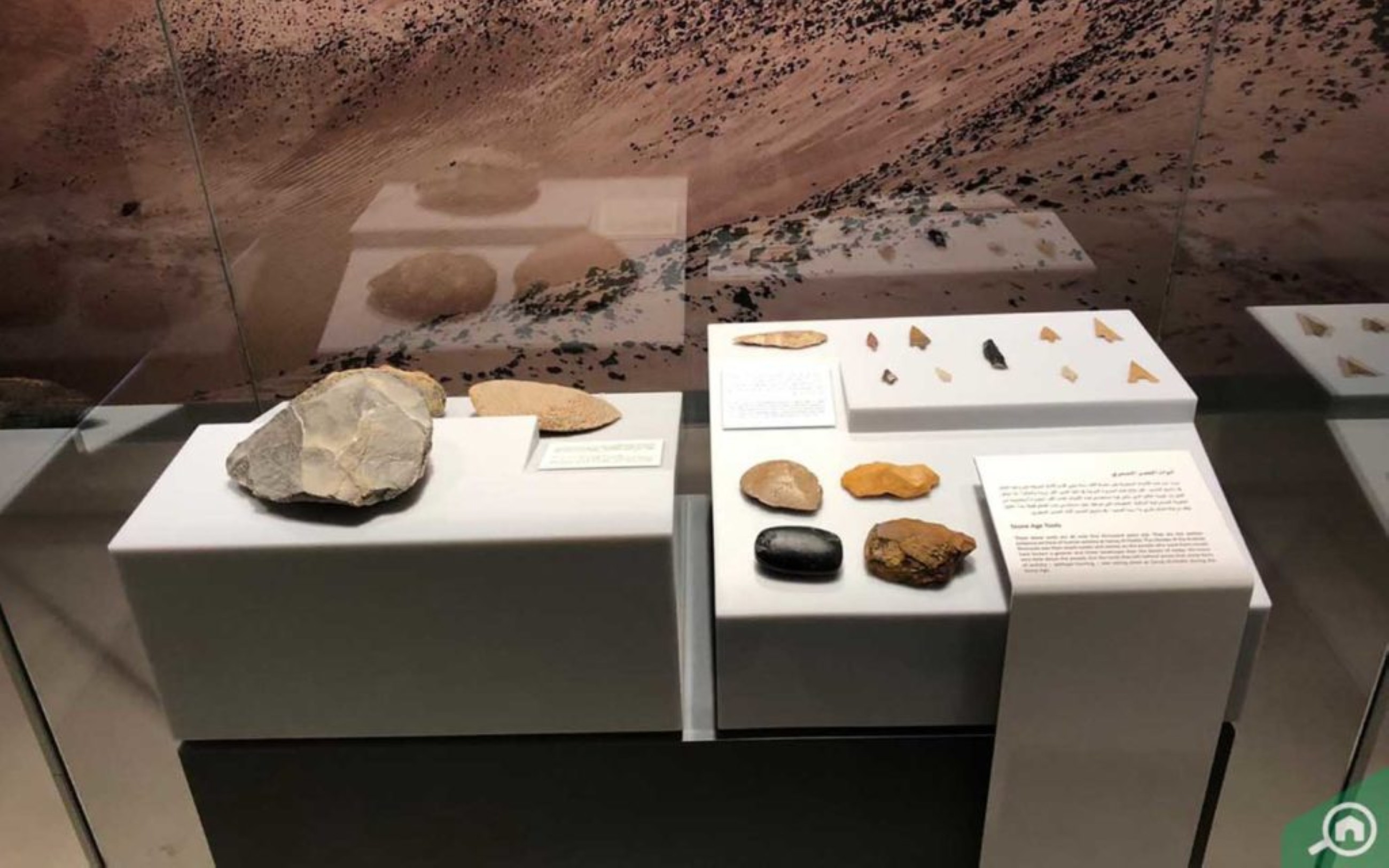
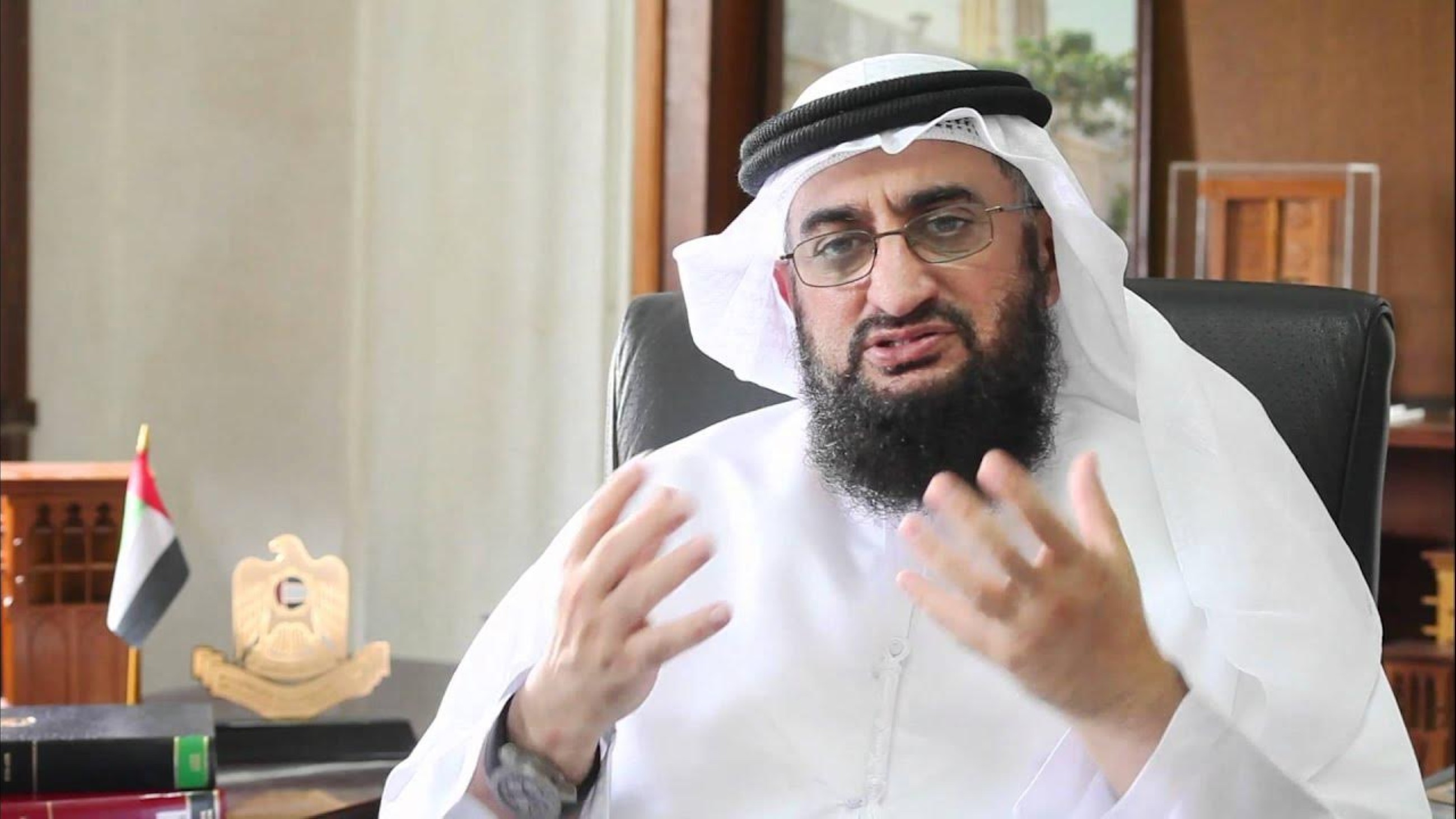
Memory under Construction (Jan. 18) will see Rashad Bukhash in conversation with Lina Najem, with Bukhash revisiting decades of work in heritage conservation on both shores of Dubai Creek, including his long tenure at Dubai Municipality. He has 35 years’ experience in the fields of planning, directing, managing and supervising modern architectural projects, conservation of historic buildings, museums, and landscaping projects.
He supervised the conservation of more than 215 historic buildings in Dubai and in the UAE, including the design and execution of 14 museums in Dubai, including Dubai Museum, Sheikh Saeed Al-Maktoum House, Heritage House, Al Ahmadiya School, the Falcon Museum and Sarooq Al-Hadid Archaeology Museum. He has written and edited more than 35 books on architecture, history and traditional architecture of Dubai and the UAE. Rashad won many prizes, his latest honour being his receipt of the UAE Order for Culture and Creativity in the Custodian Tier.
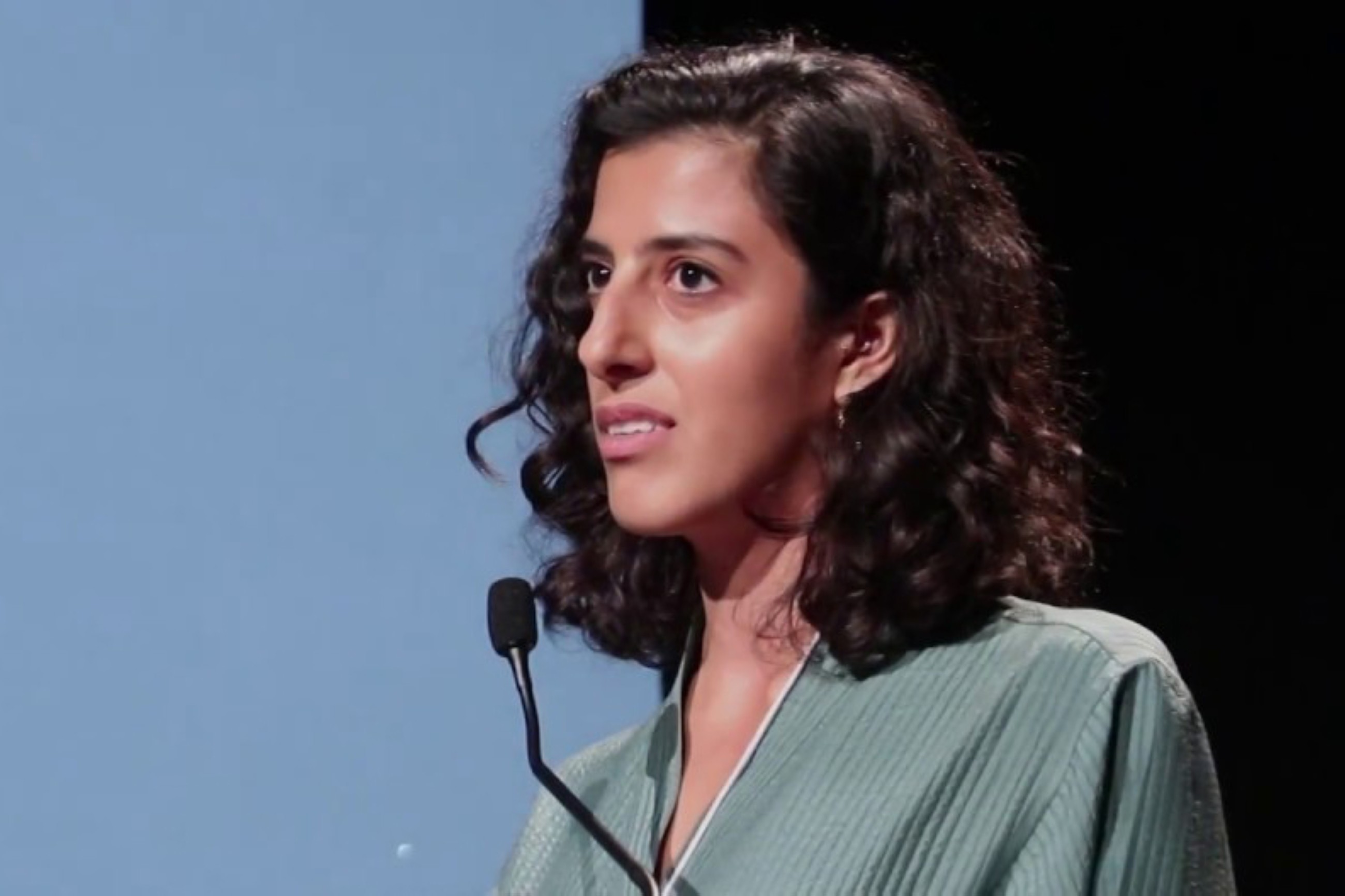
Constant Adjustment, a film programme by Hind Mezaina (Jan. 24) screens five short films which explore how neighbourhoods and other places endure over time through ways of property markets, political erasure and the whim of human interest. The screening will be followed by a discussion between Mezaina and Todd Reisz, with audience participation.
Films include Wunderland Kalkar (Ila Bêka & Louise Lemoin, 2024, 5 min.); Al Basateen/The Orchards (Antoine Chapon, 2025, 25 min.); Okay Keskidee! Let Me See Inside (Rhea Storr, 2025, 19 min.); The Architect of Luxor (Jocelyn Saab, 1986, 18 min.); and Bad for a Moment (Daniel Soares, 2025, 15 min.). Hind Mezaina is an artist, film curator and writer from Dubai. Her interests lie in cinema, cities, visual culture, collective memory and archives.
School is a City is a public lecture by Prasad Shetty and Rupali Gupte (Jan. 25). They reflect on the motivations and challenges that shaped their commitment to the founding and sustaining of the School of Environment and Architecture in Mumbai, India, which they co-founded in 2014, with six friends. Today, a community of about 200 students and 30 faculty members sustain the institution. Prasad Shetty and Rupali Gupte are urbanists based in Mumbai.
In Biographies of a Cairo Neighbourhood: Public Lecture by Khaled Adham (Jan. 28), architect and author Khaled Adham traces the personal and familial impulses that have shaped Mohandiseen district in Cairo, Egypt. Khaled Adham is an Associate Professor of Architecture and Urban Planning. He has taught undergraduate and graduate courses in architecture and urban planning at universities in the United States, Egypt, and the United Arab Emirates.
Architecture after The Gulf: Rem Koolhaas in conversation with Tala Gharagozlou (Feb. 1) sees Rem Koolhaas joining architect Tala Gharaglozlou for a conversation on his two decades of examining, questioning and working within Dubai and Gulf cities across architectural, publication and exhibition projects. Since his first visits to Dubai and Kuwait in the early 2000s, architect and author Koolhaas has pursued a deeper understanding of the contexts that shape architectural practice in Gulf cities.
In 2026, it will be twenty years since Koolhaas and OMA/AMO presented The Gulf at the Venice Architecture Biennale, one of the first moments the region was framed as a single urbanising coastline. Tala Gharagozlou is an architectural designer engaged in both professional practice and research. Her practice is currently divided between projects with museums such as the Guggenheim Abu Dhabi and the Louvre in Paris and residential adaptive reuse projects in Dubai. She was a technical reviewer for the 16th Award Cycle (2023–2025) of the Aga Khan Award for Architecture.