Brigitte Bardot gives a press conference in Hollywood for the film 'Viva Maria.' File / AFP

FILE PHOTO: French film actress turned animal rights campaigner Brigitte Bardot distributes toys and treats at the Gavroche centre for homeless and abandoned children February 7. Bardot, 64, attended an international conference for stray dogs staged in Bucharest to launch a programme to castrate the city's 200,000 homeless dogs.
ROMANIA BARDOT/File Photo

(FILES) French ex-film star and prominent animal rights campaigner Brigitte Bardot (L) smiles to photographers after a meeting focused on animal rights with French Prime Minister Lionel Jospin in Paris, on July 16 2001. French actress Brigitte Bardot died at 91 AFP learned from Bardot foundation on December 28, 2025. (Photo by Jack GUEZ / AFP)

(FILES) French former actress Brigitte Bardot, turned animal rights activist, poses with her book during the 20th anniversary celebration of her wildlife foundation, September 28 2006 in Paris. French actress Brigitte Bardot died at 91 AFP learned from Bardot foundation on December 28, 2025. (Photo by STEPHANE DE SAKUTIN / AFP)

(FILES) French actress and animal rights activist Brigitte Bardot in a dog pound in Nice (southern France), holding one of 143 puppies seized by customs officiers in a Hungarian van, on December 28, 2005. French actress Brigitte Bardot died at 91 AFP learned from Bardot foundation on December 28, 2025. (Photo by Valery HACHE / AFP)

Brigitte Bardot smiles next to the bust of Marianne, the symbol of the French Republic, for which Bardot served as a model, in Paris. File / AFP

(FILES) French actress Brigitte Bardot attends the 37th Gala of Union artists at the Cirque d'hiver, in Paris, on April 18, 1970. French actress Brigitte Bardot died at 91 AFP learned from Bardot foundation on December 28, 2025. (Photo by AFP)

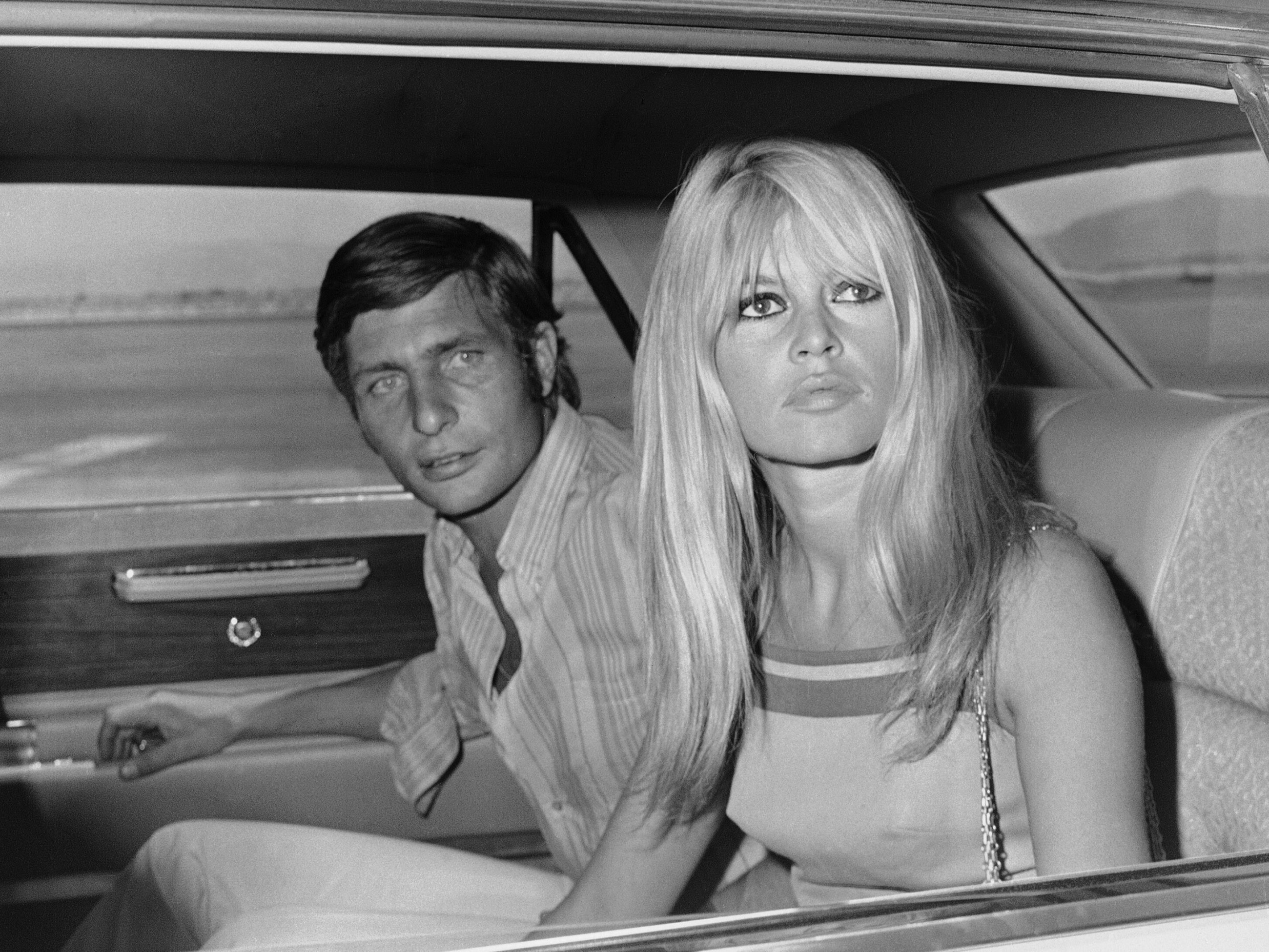
(FILES) French actress Brigitte Bardot arrives in London on December 12, 1968. French actress Brigitte Bardot died at 91 AFP learned from Bardot foundation on December 28, 2025. (Photo by CENTRAL PRESS / AFP)

TOPSHOT - (FILES) French actress and animal rights activist Brigitte Bardot attends a debate against seal-hunting in the European Council in Strasburg, eastern France, on January 23, 1978. French actress Brigitte Bardot died at 91 AFP learned from Bardot foundation on December 28, 2025. (Photo by AFP)

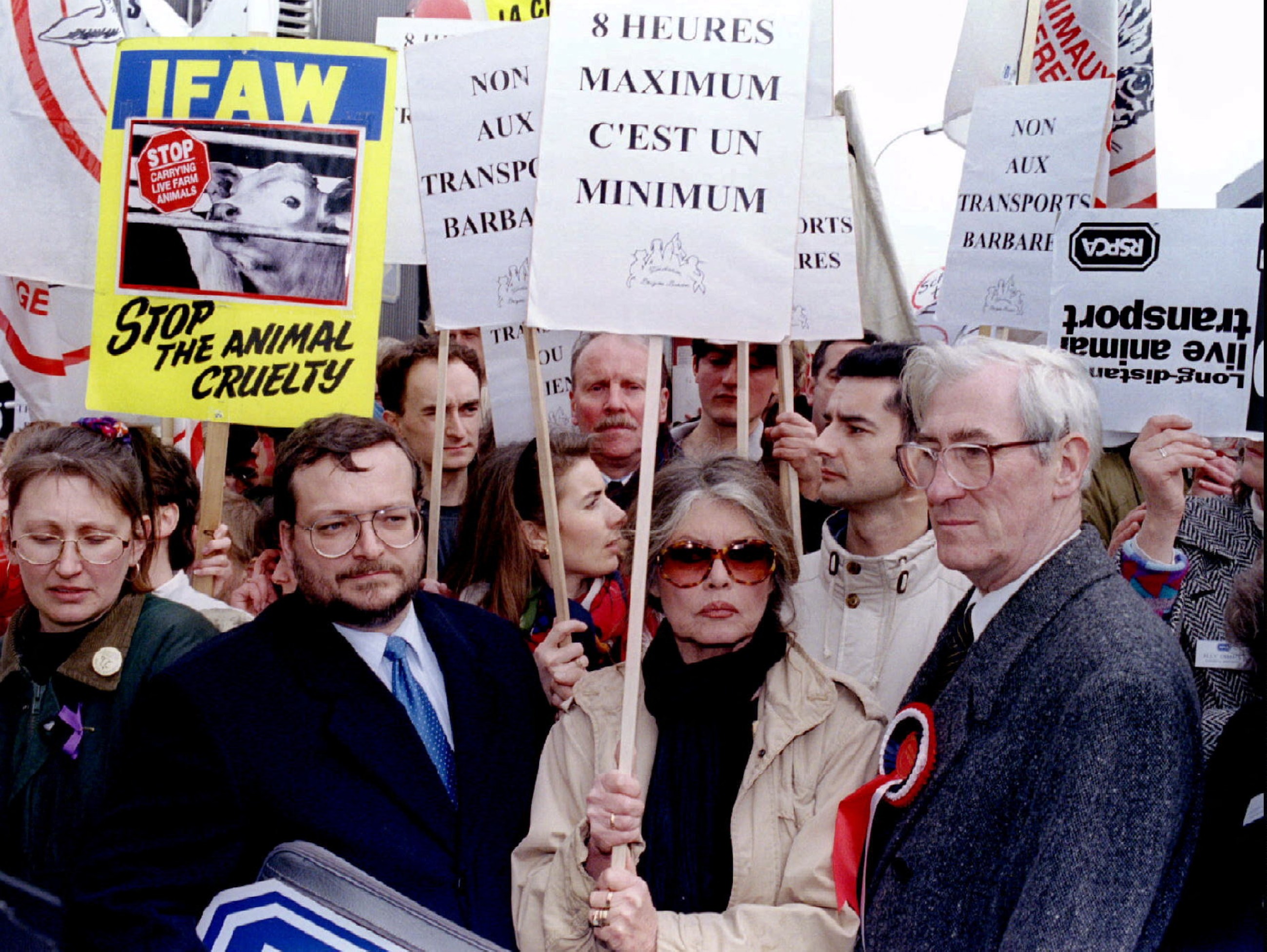
FILE - French actress Brigitte Bardot, center is surrounded by animal rights protestors during a demonstration against transporting live animals in Brussels, Monday, Feb. 20, 1995. (AP Photo/Jacques Collet, File)

Brigitte Bardot meets the Pope September 27 at the Vatican/File Photo