Netflix to buy Warner Bros Discovery's studios, streaming unit for $72 billion
- Last updated: December 5, 2025 | 18:02


Netflix has agreed to buy Warner Bros Discovery's TV, film studios and streaming division for $72 billion, a deal that would hand control of one of Hollywood's most prized and oldest assets to the streaming pioneer.
The agreement, announced on Friday, follows a weeks-long bidding war in which Netflix offered nearly $28-a-share, eclipsing Paramount Skydance's close to $24 bid for the whole of Warner Bros Discovery, including the cable TV assets slated for a spinoff.
Buying the owner of marquee franchises including "Game of Thrones", "DC Comics" and "Harry Potter" will further tilt the balance of power in Hollywood in favor of Netflix.
It would help the streaming giant, which has so far built its dominance without major deals or a large content library, to ward off competition from Walt Disney and the Ellison family-backed Paramount.

The two companies together will "help define the next century of storytelling", said Netflix co-CEO Ted Sarandos, who had once said "the goal is to become HBO faster than HBO can become us."
STRONG ANTITRUST SCRUTINY LIKELY
The deal, however, is likely to face strong antitrust scrutiny in Europe and the US as it would give the world's biggest streaming service ownership of a rival that is home to HBO Max and boasts nearly 130 million streaming subscribers.
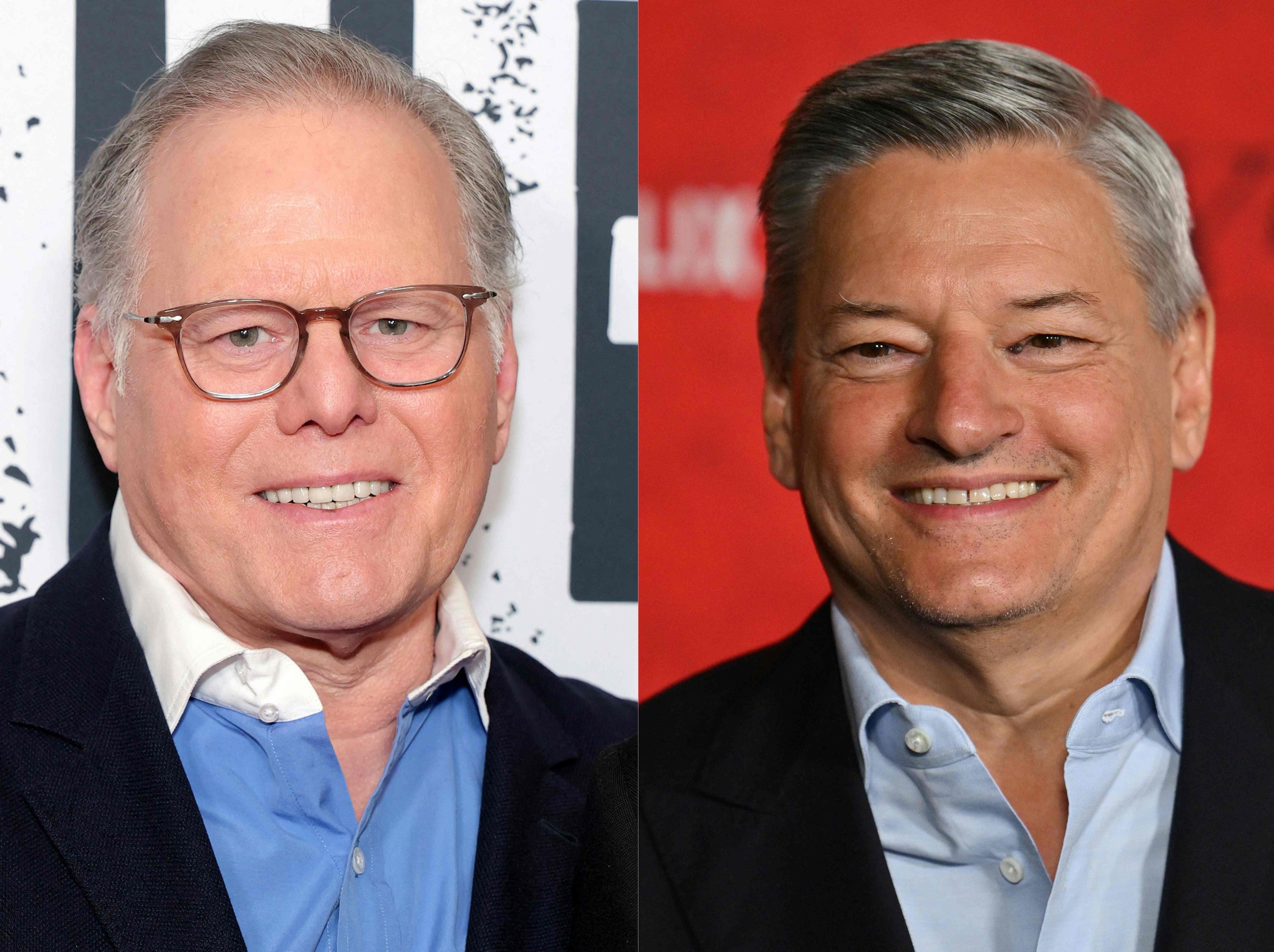
David Ellison-led Paramount, which kicked off the bidding war with a series of unsolicited offers and has close ties with the Trump administration, had questioned the sale process earlier this week and alleged favorable treatment to Netflix.
Even before the bids were in, some members of Congress said a Netflix-Warner Bros Discovery deal could harm consumers and Hollywood.
Cinema United, a global exhibition trade association, said on Friday the deal poses an "unprecedented threat" to movie theaters worldwide.
"In light of the current regulatory environment this will raise eyebrows and concerns. The combined dominant streaming player will be heavily scrutinized," said PP Foresight analyst Paolo Pescatore.
"We should expect this to wrangle on given Paramount Skydance pursuit for Warner Bros Discovery."
Looking to allay some concerns, Netflix said the deal would give subscribers more shows and films, boost its US production and long-term spending on original content and create more jobs and opportunities for creative talent.
The company argued in deal talks that a combination of its streaming service with HBO Max would benefit consumers by lowering the cost of a bundled offering.
The company has told Warner Bros Discovery it would keep releasing the studio's films in cinemas in a bid to ease fears that its deal would eliminate another studio and major source of theatrical films, according to media reports.
CASH-AND-STOCK DEAL
Warner Bros Discovery shares were up 2.4% at $25 in premarket trading, while Netflix fell nearly 3% and Paramount 2.2%. Comcast, the third suitor, was trading little changed.
Paramount and Comcast did not immediately respond to requests for comment.

Under the deal, each Warner Bros Discovery shareholder will receive $23.25 in cash and about $4.50 in Netflix stock per share, valuing Warner at $27.75 a share, or about $72 billion in equity and $82.7 billion, including debt.
The deal represents a premium of 121.3% to Warner Bros Discovery's closing price on September 10, before initial reports of a possible buyout emerged.
The deal is expected to close after Warner Bros Discovery spins off its global networks unit, Discovery Global, into a separate listed company, a move now set for completion in the third quarter of 2026.
Netflix has offered Warner Bros Discovery a $5.8 billion breakup fee, while Warner Bros Discovery would pay Netflix $2.8 billion if the deal collapses.
Netflix said it expects to generate at least $2 billion to $3 billion in annual cost savings by the third year, after the deal closes.
NETFLIX GROWTH WORRIES
Analysts have said Netflix is driven by a desire to lock up long-term rights to hit shows and films and rely less on outside studios as it expands into gaming and looks for new avenues of growth after the success of its password-sharing crackdown.
Its shares are up just 16% this year, after surging more than 80% in 2024, as investors worry its breakneck growth could be slowing, especially after it stopped disclosing subscriber figures earlier this year.
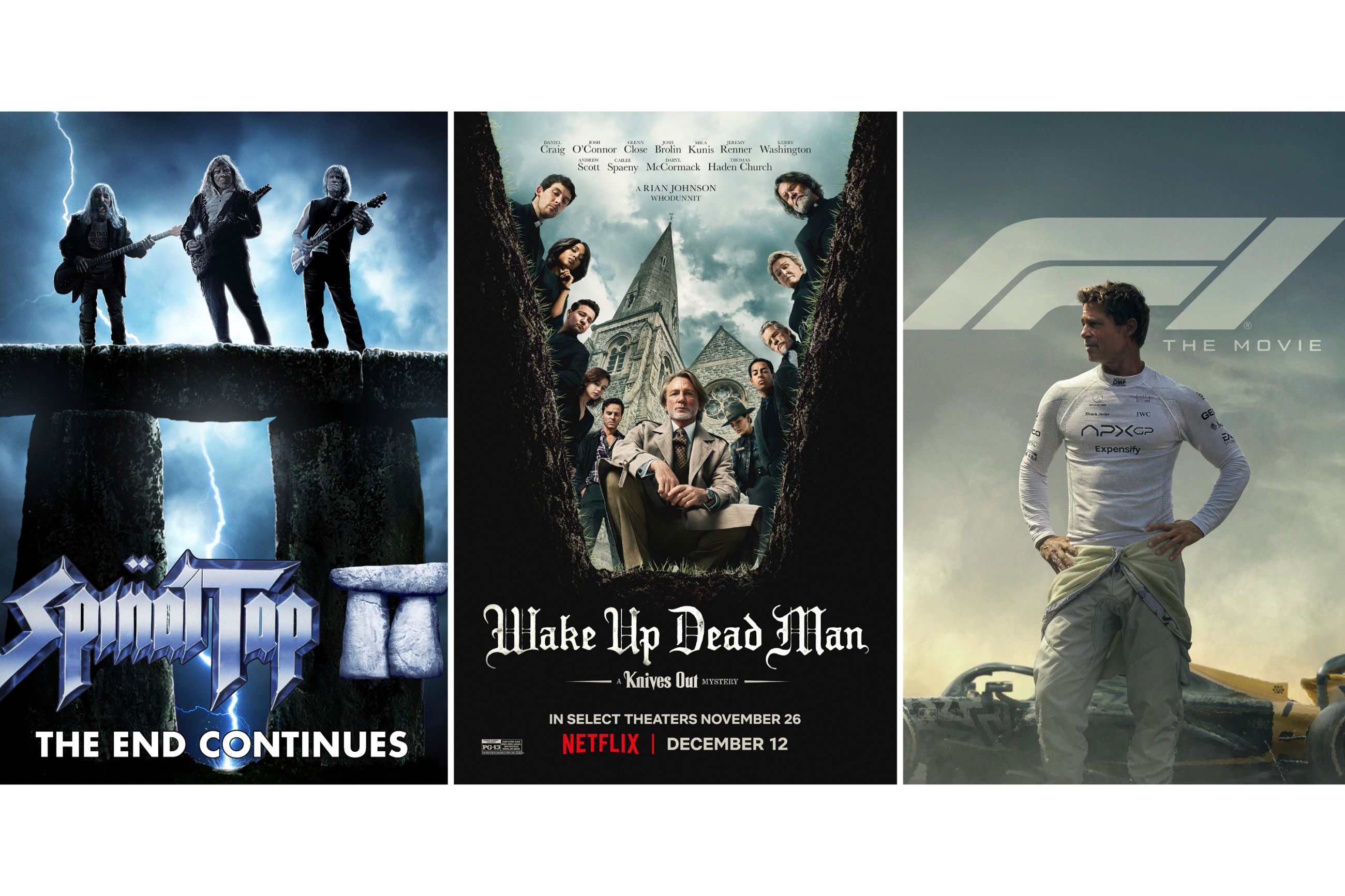
The company has leaned on its ad-supported tier to drive growth, but that is not expected to become a major revenue engine until next year, while analysts say its push into video games has stumbled amid strategy shifts and executive turnover.
Buying Warner Bros would also deepen its gaming bet, as WBD is one of the few entertainment companies to notch big successes in the sector, including its Harry Potter title "Hogwarts Legacy", which has generated more than $1 billion in revenue.
JASON KILAR, FORMER WARNERMEDIA CEO, ON X
"If I was tasked with doing so, I could not think of a more effective way to reduce competition in Hollywood than selling WBD to Netflix."
ANTHONY SAGLIMBENE, CHIEF MARKET STRATEGIST AT AMERIPRISE FINANCIAL, DETROIT
"The largest factor of a deal of this size and complexity is the potential regulatory hurdles that these two companies are going to have to go through. But they obviously came to an agreement, thinking that it's worth the struggle. This move is a recognition that there's more optimism about the ability to get deals done. Both companies probably expect that they may need to sell assets to close the deal. And I think there's more than enough room for them to do that."
TOM HARRINGTON, HEAD OF TELEVISION AT ENDERS ANALYSIS, GREATER LONDON
"The regulatory possibility of this going through is hard to gauge given that much of it remains stateside and will pivot on the whims of the President... As such there will be resistance from parts of Hollywood and various unions. HBO, the creative jewel, would be terribly exposed within Netflix, although it has survived difficult owners for a lot of its existence."
"For consumers, this would likely result in rising costs: Netflix would get more expensive and even though HBO Max would be shuttered/become non-essential, the greater penetration of Netflix households would likely mean an increase in total overall subscription revenues."
Reuters