First public space for photography in UAE inaugurated with two shows
- Last updated: November 11, 2025 | 09:25


Muhammad Yusuf, Features Writer
His Highness Sheikh Dr Sultan bin Mohammed Al Qasimi, Supreme Council Member and Ruler of Sharjah, inaugurated and toured the Photography Gallery, the first public space in the UAE dedicated to the art of photography, on November 8.
The new venue, housed in a restored former telecommunications building in the Al Manakh district near Kuwait Square, presents two exhibitions: Photographic Encounters along the Gulf Coasts and Image Keepers, both organised by Sharjah Art Foundation (SAF).
Photographic Encounters along the Gulf Coasts, comprising 165 photographs and archival documents from the collection of His Highness, features late nineteenth and early twentieth-century glass slides depicting people, places and activities along the Arabian Gulf and Indian Ocean littorals, revealing the region as a vital nexus of trade, culture and human connection. The images speak of power, class, gender and ethnicity, indicating the prevailing cultural attitudes of the time.
They thus carry history through not only the subjects portrayed, but also foregrounds photography as a medium. The glass slides on which the images were reproduced, as well as the magic lantern, considered a predecessor to modern slide projectors, offer insights into photographic innovations of the period. “As the Foundation’s archival research endeavour continues,” says SAF, “the photographs in this exhibition will help situate historical narratives of the Arabian Gulf region, shining a light on colonial and postcolonial modes of knowledge production and dissemination.”
Image Keepers is a curated selection from SAF’s Collection, and presents a panorama of artistic experimentation and engagement through photography. On view from November 8 to April 26, 2026, at Galleries 2 and 3, the presentation brings together more than 50 photographic works by 17 artists and collectives. Presenting works in various formats — from studio portraits to multimedia installations — the exhibition offers a panoramic view of artistic experimentation and engagement through the medium of photography.
The works in the exhibition engage with the sociopolitical terrain of the last six decades against a backdrop of the compressed, and often fissured, processes of modernisation and decolonisation. The first chapter of the exhibition presents portraits that show the diversity of experience across regions and times. The images record ethnic, civic and diasporic identities, while revealing the intricate relationships formed between individuals and place. Through the works from her series ‘The Bride is Beautiful, But She is Married to Another Man’ (2017), Rula Halawani captures portraits of Palestinians taken just moments before the checks at the border crossing, speaking of the realities of Occupied Palestine and the resilience of its people.
Sunil Gupta transports one to the lives of diasporic South Asian communities in the UK four decades ago in his series ‘Black Experience’ (1986/2021). The images offer a touching glimpse into his community in 1980s Britain, a time when the umbrella term ‘Black’ was used to describe all people of colour.
In the next section are works that use photography to depict what is obscured or erased during times of conflict and transnational migration. The artists both embrace opacity, dissolving reality into abstraction, or focus on the remains of the day. Placed in the central wall, Mame-Diarra Niang’s evocative series ‘Léthé’ (2021) and ‘Same Guent Guii’ (2021), evoke themes of identity, memory and self-discovery through abstraction and dreamlike imagery. Susan Hefuna’s ‘Landscape/Cityscape’ (1999–2002) series, captured with a pinhole camera in Cairo and the Nile Delta, draws the viewer into a more reflective, textured world, where memories surface and fade like old photographs exposed to time and light.
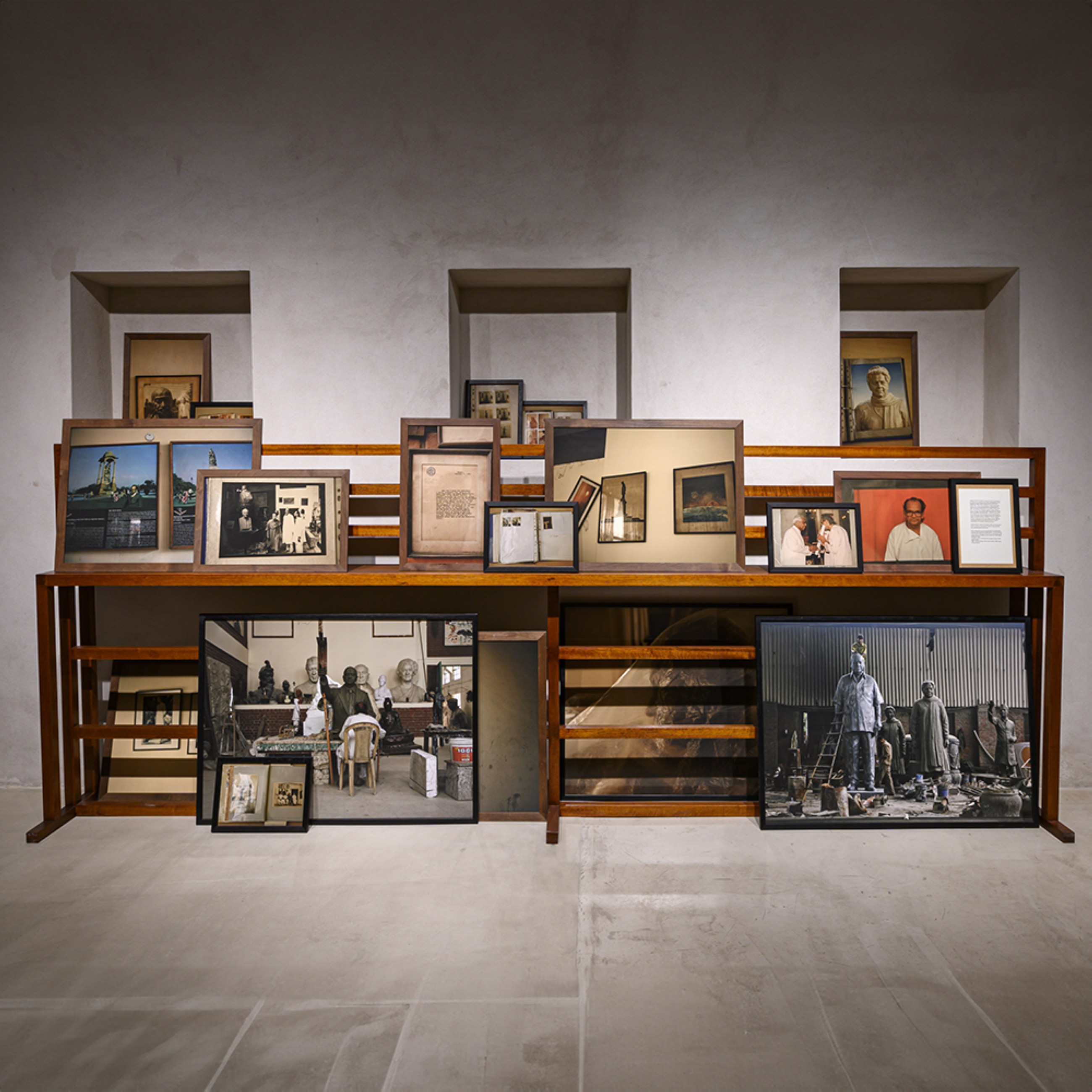
The exhibition continues on the upper floor, where photography is embodied through multiple materials, techniques and modes of presentation. Searching for alternative ways to narrate history and imagine collectivity, the works deconstruct monuments and archives and reinvents them through speculation, performativity and humour. Mohammed Kazem reflects on the UAE’s rapid urban development in his piece ‘Window’ (2003–2005), documenting the rise of a new structure next to his apartment building and the lives of the workers building it. Fehras Publishing Practices’ ‘Disappearances, Appearances, Publishing’ (2015–2018) creates a pseudo-archive of a library housing over 15,000 publications from across the Eastern Mediterranean and North African region, unpacking historical narratives and strategies of publishing in the region.
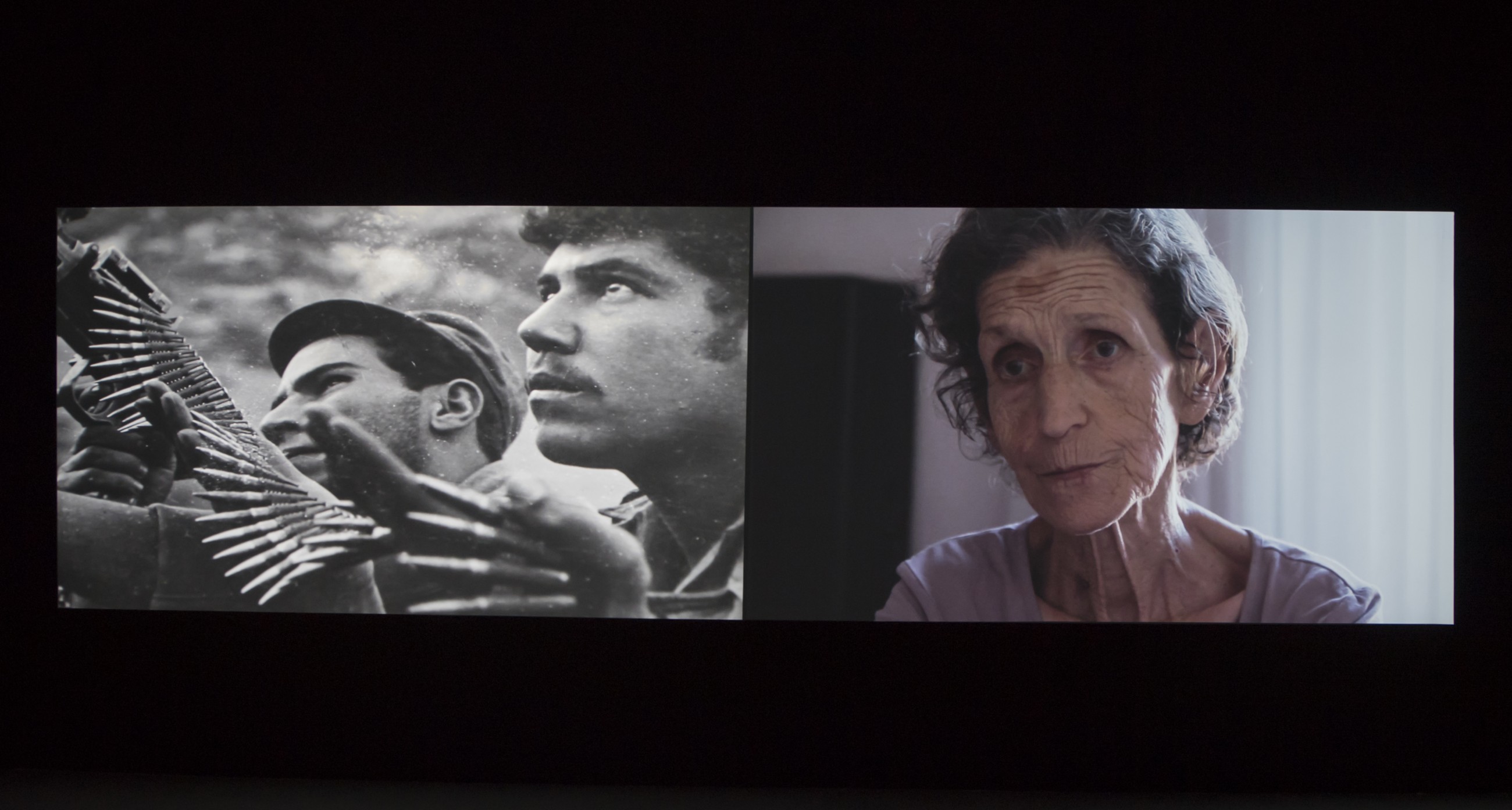
The exhibition takes its name from an artwork titled Gardiennes d’images (Image Keepers, 1998–2001) by Zineb Sedira, an artist whose work celebrates the role of women as guardians of personal and cultural memory. Her three-channel video installation tells the story of Safia Kouaci, who preserved the photographic archive of her late husband, Algerian photojournalist Mohamed Kouaci. Drawing on Safia’s story, Sedira weaves personal and collective narratives across generations and geographies. Through poetic meditation, Sedira recognises women’s role in keeping histories alive, while underscoring how images also serve as living witnesses and emblems of resistance.
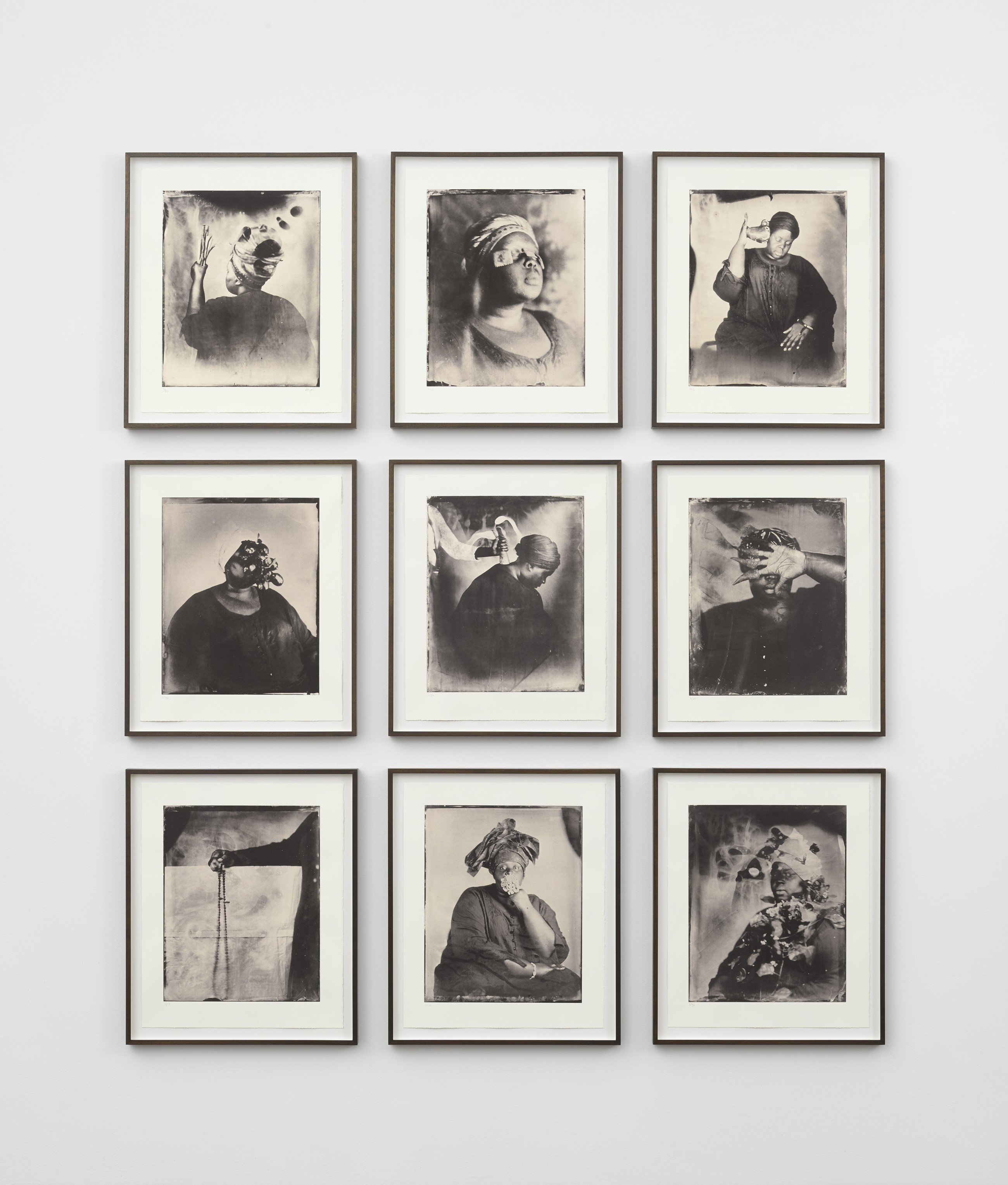
The exhibition also features artworks by Amina Zoubir, Bani Abidi, Basma Al Sharif, Hrair Sarkissian, Kader Attia, Khadija Saye, Latif Al Ani, Rashid Mahdi, Rika Noguchi and Rushdi Anwar. Together, their works create an empowering and emotional journey, spanning continents, generations and experiences. Image Keepers pays tribute to artists who utilise photography not just to document reality, but to challenge, reimagine it and employ it as a space for stories that may otherwise disappear. Image Keepers is curated by Jiwon Lee, Head of Curatorial, and Nada Ammagui and Osemudiamen Ekore, Curatorial Assistants, with Souraya Kreidieh and Shahd Murshed, SAF Collection Department.