Many landscapes, one Sharjah: Through the lens of Huawei XMAGE
- Last updated: October 2, 2026 | 10:27


Gulf Network
Huawei and HIPA took photographers across two different sides of Sharjah - from archaeological landscapes and mountain villages to contemporary architecture and the heart of the city.
It took two days for photographers to see just how many different worlds fit within one destination – Sharjah. Desert and archaeological landscapes at Mleiha gave way to mountains, historic villages and the coastline of Khorfakkan. Elsewhere, contemporary architecture, busy public spaces and cultural institutions presented a completely different Sharjah. Putting those worlds side by side with a single approach to photograph the emirate was never going to work.
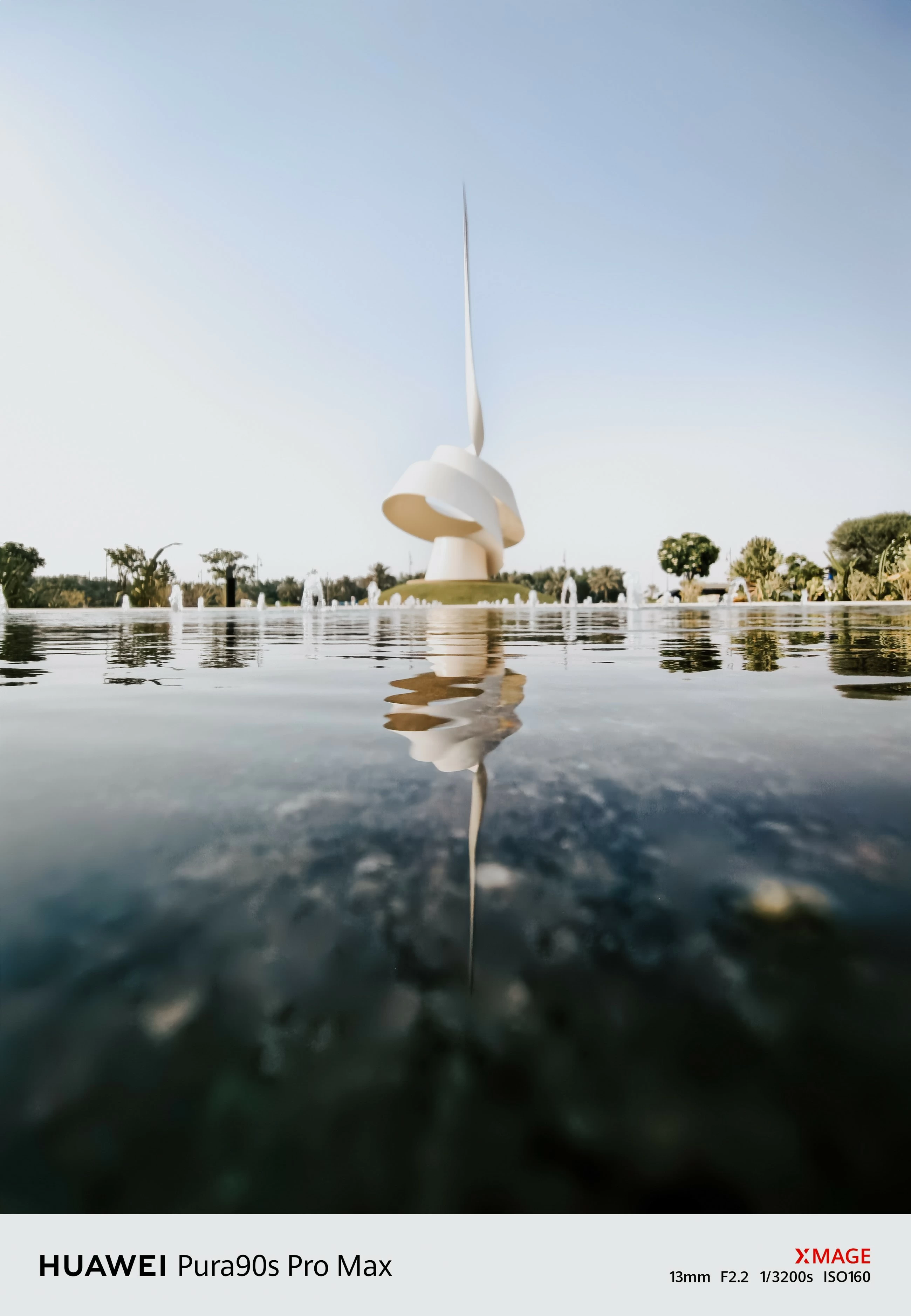
That made Sharjah a fitting setting for Huawei and the Hamdan Bin Mohammed Bin Rashid Al Maktoum International Photography Award’s (HIPA) ‘The UAE. A Closer Look’. As His Highness Sheikh Mohammed bin Rashid Al Maktoum’s ‘Proud of UAE’ campaign placed the country’s people, heritage and national spirit firmly in view, the nationwide XMAGE initiative sent photographers across all seven emirates to look beyond the images people already knew.
In Sharjah, the Sharjah Commerce and Tourism Development Authority (SCTDA) supported the initiative by facilitating routes across the emirate spanning archaeology, nature, architecture, culture and everyday life. Over two days, photographers used the HUAWEI Pura 90s Series to respond to those changing environments, moving between vast landscapes and minute architectural details, hard sunlight and softer evening conditions, still scenes and spaces filled with movement.
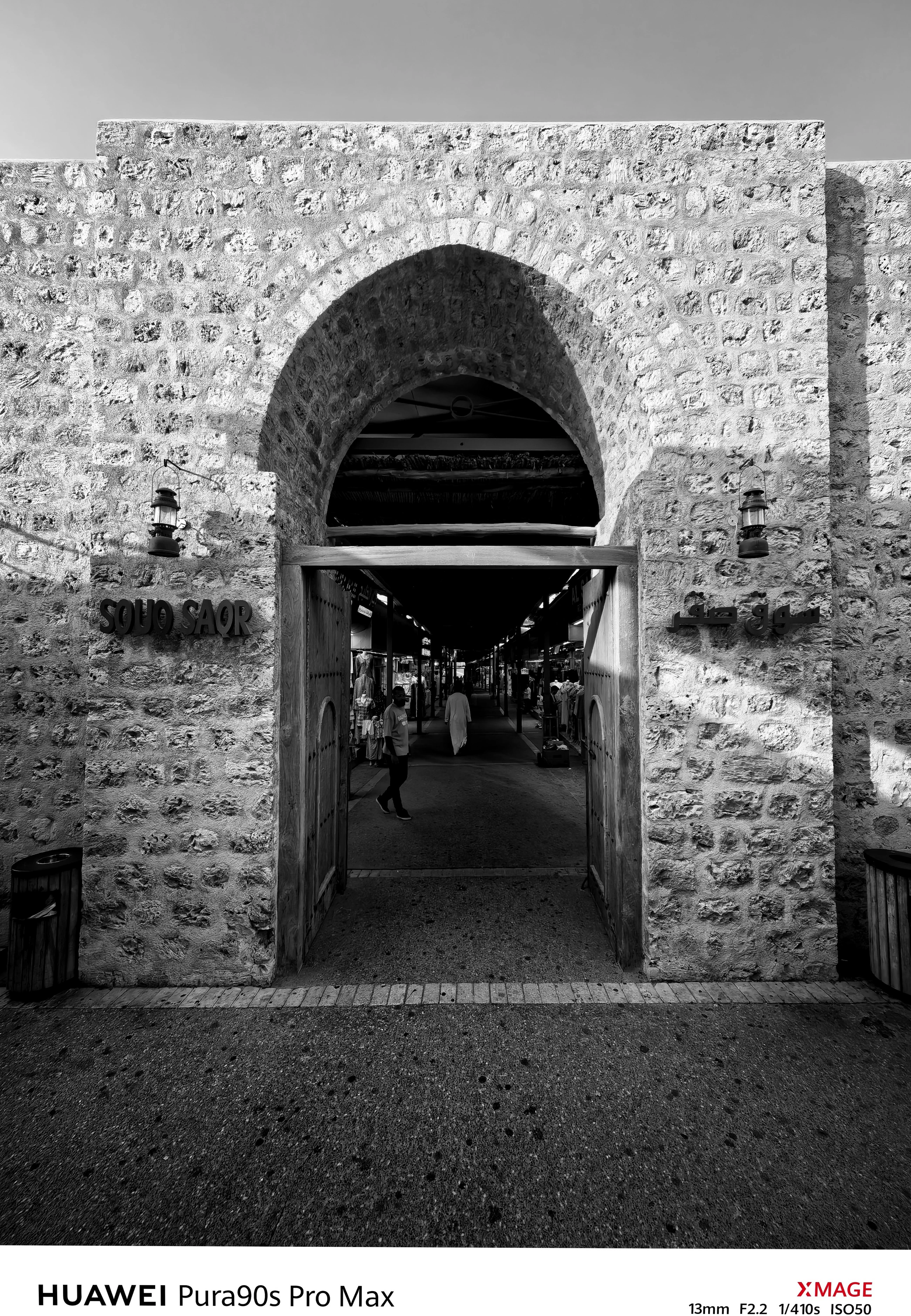
Mleiha offered one of the widest canvases. Its open desert, archaeological surroundings and rock formations put distance, texture and scale at the centre of the photograph. From there, the mountain landscapes surrounding Al Suhub Rest House and the historic village of Najd Al Meqsar introduced another set of visual possibilities: rugged terrain, stone architecture and buildings that seem to follow the contours of the mountains themselves.
These were places where the photograph could change considerably depending on how close the photographer chose to look. One frame might take in the sweep of a mountain range. Another could isolate the texture of stone, a doorway or a distant architectural feature.
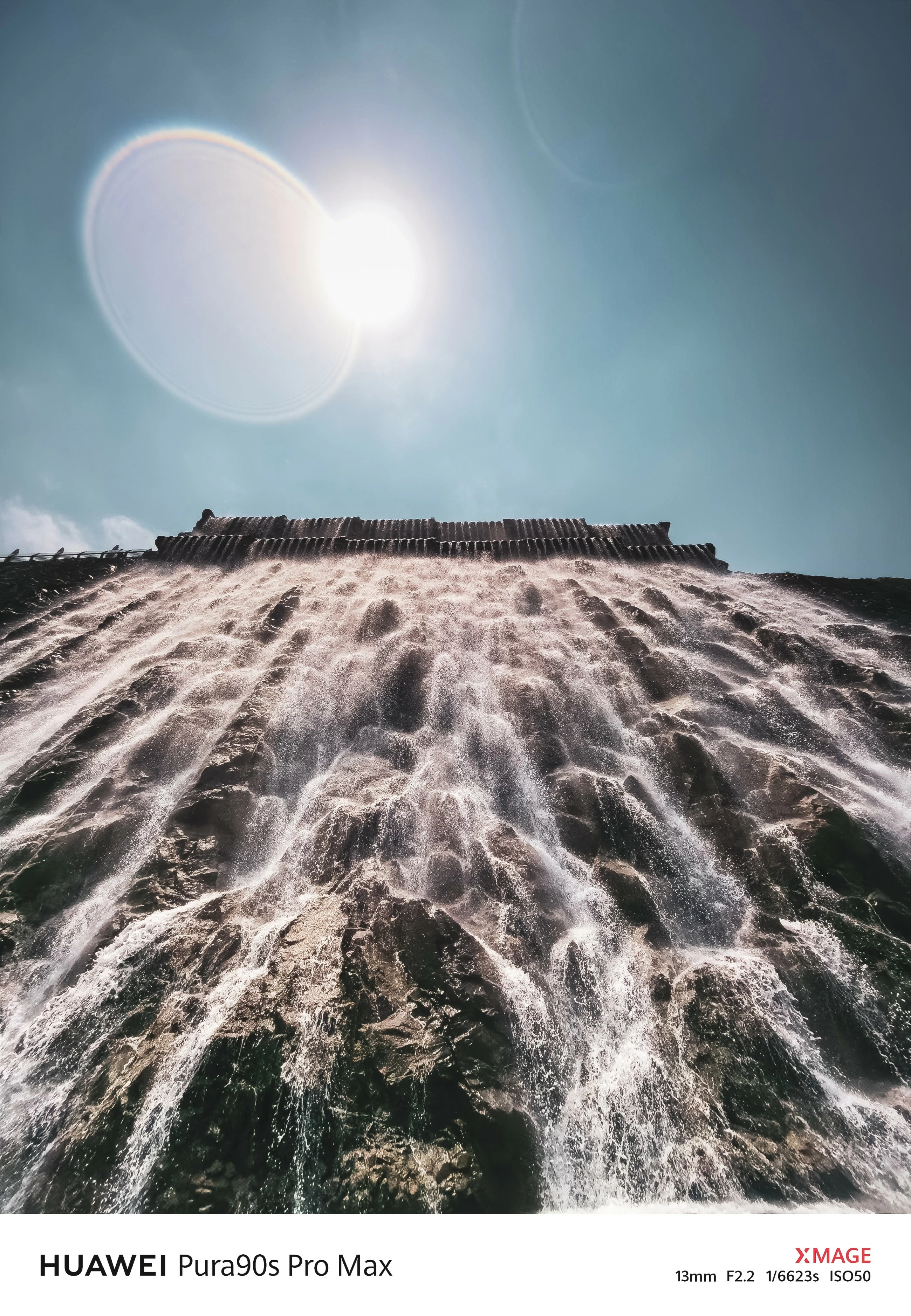
The HUAWEI Pura 90s Series helped photographers move between those perspectives, using its 200MP Ultra-Large Sensor Telephoto Camera to bring distant mountain and architectural details closer while retaining the textures that made them compelling. AI Composition 3.0 helped with another challenge: finding the frame within landscapes where several elements could compete for attention. Smarter scene optimisation helped the photographers adapt as the surroundings shifted from the open light and warmer tones and of the desert to the more textured terrain of the mountains. Sharjah’s natural landscape did not stop there. Khorfakkan brought water and movement into the picture through its waterfront, waterfall and amphitheatre surroundings, while Al Rafisah Dam and the landscaped terraces, viewpoints and waterfalls of Kalba Hanging Gardens added still water and dense greenery to the mix.
Within the same emirate, photographers were moving between conditions that asked very different things of the camera. The muted tones and broad expanses of the desert were replaced by mountain shadows, reflective water, greenery, and coastal light. Sharjah’s diversity became the photographic exercise itself.
The other side of that exercise emerged in the city. At Aljada, cafés, public spaces and everyday movement shifted attention towards people and urban life. House of Wisdom presented a different challenge again. Its contemporary architecture offered clean lines, geometry, repetition and reflective surfaces, with compositions that could be found both in the scale of the building and in smaller details within it.
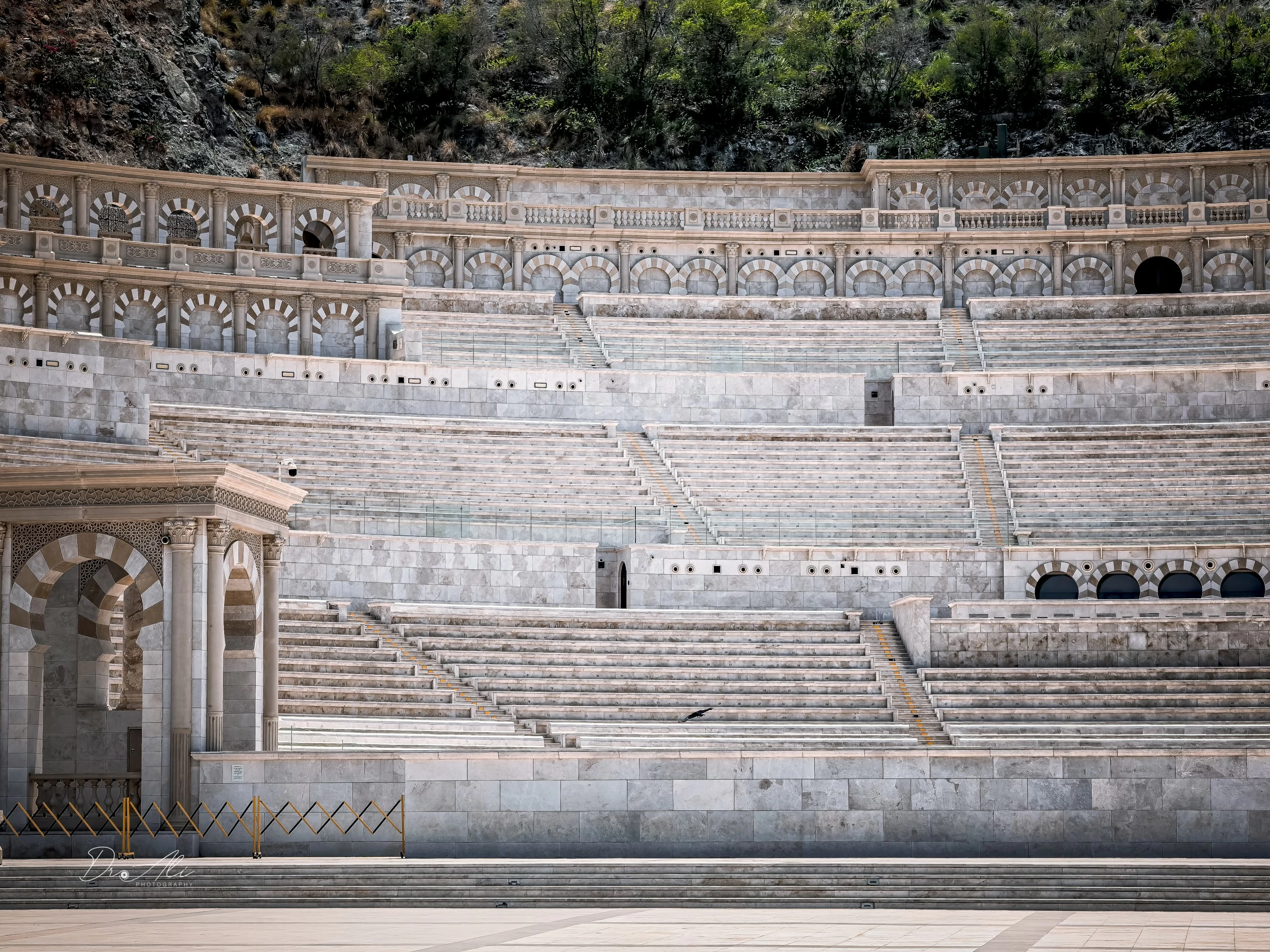
Here, light became important. As conditions changed across bright exterior spaces, shaded areas and reflective surfaces, the True-to-Colour Camera 2.0’s enhanced dynamic range and highlight and shadow retention helped preserve detail across the frame. AI Glare Removal addressed unwanted reflections, while uncompressed RAW gave photographers greater flexibility when editing the final image.
But contemporary Sharjah was only one part of the city’s visual identity. Heart of Sharjah brought traditional Emirati architecture, heritage and cultural encounters into much closer view. At the Sharjah Museum of Islamic Civilization, the scale narrowed further as museum galleries, objects and Islamic heritage invited photographers to look at details that could easily disappear within a wider scene.
The same device that had been used to capture distant mountain landscapes could now turn towards architectural patterns, objects, gestures and human moments. That ability to move between scales mattered in Sharjah because its character was often found in both at once: the grandeur of a landscape or building, and the smaller details that gave it meaning.
This was what Sharjah brought to ‘The UAE. A Closer Look’. The two-day journey did not simply offer photographers more places to photograph; it asked them to keep changing how they photographed.
Across desert, mountains and coastline, contemporary spaces and historic districts, Sharjah presented a remarkably wide visual range while remaining distinct in its identity. XMAGE gave photographers the flexibility to follow those changes, whether the photograph called for distance, detail, colour, light, or movement.
Each landscape, building and cultural detail revealed another part of the emirate, showing how its natural environment, heritage and contemporary life continue to shape the Sharjah seen today.