China’s consumer price index rises 0.7 per cent in November
- Last updated: December 10, 2025 | 18:43 ..


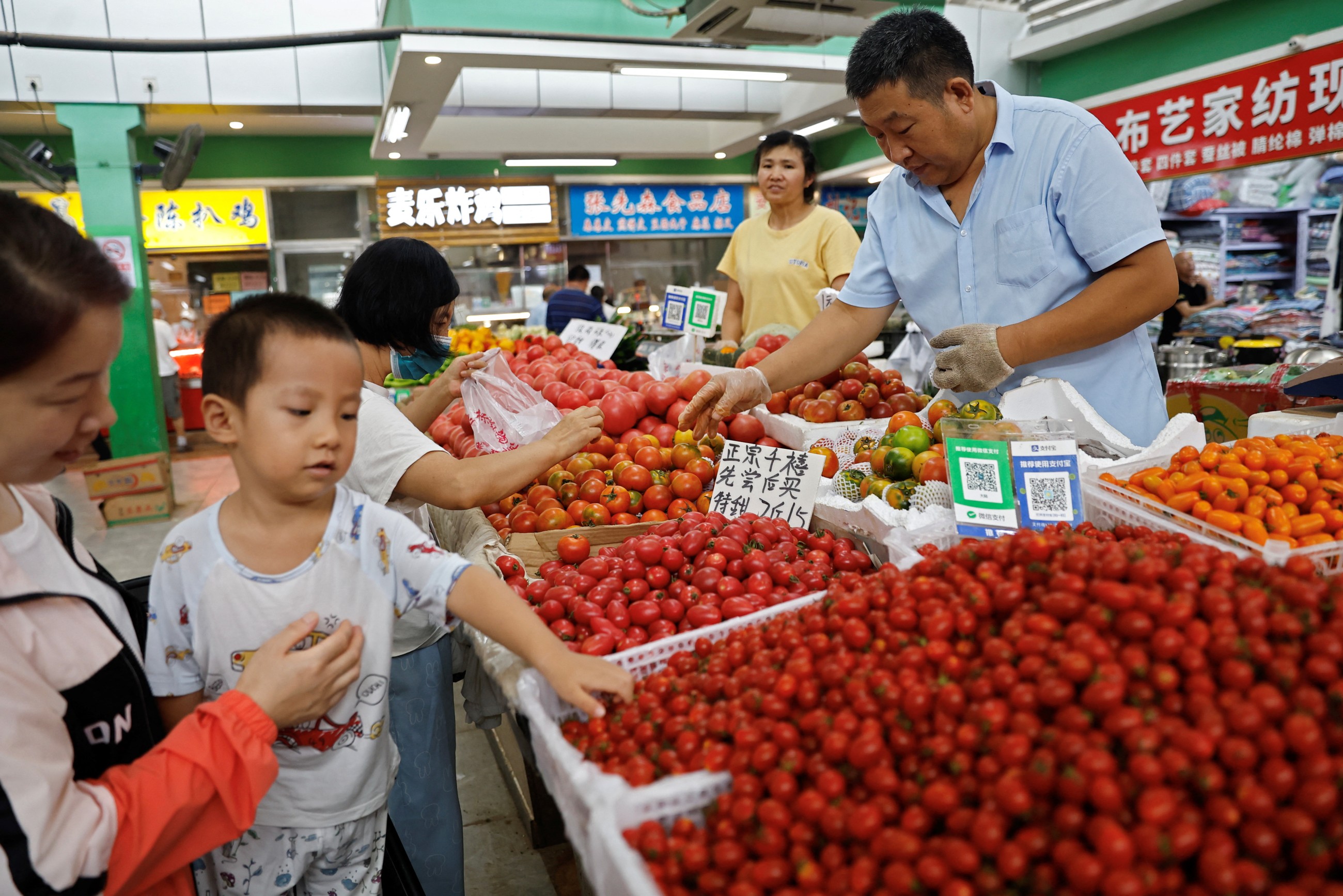

China’s consumer price index (CPI), a main gauge of inflation, grew 0.7 per cent year-on-year in November, the highest since March 2024, according to data released by the National Bureau of Statistics (NBS) on Wednesday.
The consumer price index growth in November accelerated by 0.5 percentage point from October’s reading, according to NBS.
The core CPI, which excludes food and energy prices, increased by 1.2 per cent year-on-year last month, with the growth rate remaining above 1 per cent for three consecutive months, according to the NBS data.
Wednesday’s data also revealed that the producer price index (PPI), which measures costs for goods at the factory gate, fell 2.2 per cent year-on-year in November. The figure widened by 0.1 percentage point from that of October, primarily due to a higher comparison base from the same period last year.
On a month-on-month basis, the PPI increased by 0.1 per cent in November, marking the second consecutive month of gains.
The International Monetary Fund on Wednesday urged China to make the “brave choice” of speeding up structural reform, as pressure grows on the world’s second-largest economy to shift towards a consumption-led model and curb reliance on debt-driven exports.
“China is simply too big to generate much (more) growth from exports, and continuing to depend on export-led growth risks furthering global trade tensions,” IMF Managing Director Kristalina Georgieva told a press conference concluding the Fund’s regular review of the $19 trillion economy.
“It requires brave choices and determined policy action,” Georgieva added, while pressing Chinese policymakers to adopt a comprehensive macroeconomic policy package including additional fiscal stimulus and greater monetary easing, alongside targeted steps to rein in local government debt, resolve a protracted property crisis and improve social welfare provision.
Increased social spending and accelerating reform of China’s internal passport “Hukou” system, which has largely tethered people’s destinies to their place of origin since the 1950s, could boost consumption by up to 3 percentage points of GDP, she added.
Meanwhile, bringing an end to the property crisis within the next three years - which weighs heavy on domestic demand as some 70% of Chinese household wealth is in real estate - will require China to spend 5% of GDP, the IMF forecasts.
“We have been urging more attention for closure on this problem. We call them ‘zombie firms’. Let the zombies go away,” Georgieva said, encouraging officials to speed up the exit of unviable property developers from the market.
Beijing closely watches the IMF’s “Article IV” review for approval or criticism of its economic management, with its endorsement serving as a valuable counter amid rising tensions with major trading partners.
Georgieva said it was not in China’s interests to provoke its trading partners to impose curbs on Chinese imports over fears that a flood of cheap goods would devastate their manufacturing sectors.
The IMF upgraded its China growth forecast for 2025 to 5%, from 4.8%, citing the production powerhouse’s strong outbound shipments, also lifting its 2026 forecast to 4.5%, from 4.2%.
Reuters